Buying a used car can feel exciting and a little overwhelming at the same time. You might feel proud of finding a good deal, but you may also worry about hidden issues or missed steps. The truth is, what you do right after buying a used car matters just as much as the purchase itself. Taking the right actions early can save you money, improve safety, and help your car last longer. In this guide, you will learn the top 10 things you should do immediately after buying a used car so you can drive with confidence and peace of mind.
1. Review All Paperwork Carefully
Before you do anything else, take time to go through all the documents you received when you bought the car. This step is simple but very important because it confirms that everything is legal and correct. Check the bill of sale, title transfer, and any warranty information. Make sure your name is spelled correctly and that the vehicle details match the car you purchased. If something looks wrong, fix it as soon as possible. You should also keep copies of all documents in a safe place. Staying organized now can save you from stress later if you need proof of ownership or purchase details.
2. Transfer Ownership and Register the Car
One of the first official tasks you need to complete is transferring ownership and registering the vehicle in your name. This process depends on your country or state, but it usually involves visiting a local motor vehicle office or completing an online process. Do not delay this step because driving an unregistered car can lead to fines. You may also need to pay taxes and fees during registration. Once completed, you will receive new license plates or updated registration documents. This step makes the car legally yours and ready for the road.
3. Get Insurance Coverage Immediately
Driving without insurance is risky and often illegal. As soon as you buy a used car, you should arrange insurance coverage. Even if the previous owner had insurance, it does not transfer to you. Contact an insurance provider and choose a plan that fits your needs and budget. Consider factors such as:
- Liability coverage for accidents
- Comprehensive coverage for theft or damage
- Collision coverage for repairs
Having insurance protects you financially and gives you peace of mind every time you drive.
4. Schedule a Full Inspection with a Mechanic
Even if the car looked fine during the purchase, you should always get a professional inspection. A trusted mechanic can find problems that are not easy to see. This includes engine issues, brake wear, suspension problems, or hidden leaks. A full inspection helps you understand the real condition of your car. If issues are found, you can fix them early before they become expensive repairs. Think of this step as an investment in your car’s future reliability.
5. Change All Essential Fluids
Used cars often come with unknown maintenance history, so it is smart to start fresh. Changing essential fluids ensures that your car runs smoothly and safely. Focus on the following:
- Engine oil
- Transmission fluid
- Brake fluid
- Coolant
- Power steering fluid
Fresh fluids improve performance and reduce the risk of damage. Even if the seller claims they were recently changed, it is better to be sure and do it yourself.
6. Replace Filters and Check Basic Parts
Along with fluids, you should also replace important filters and inspect basic parts. Filters play a big role in keeping your car clean and efficient. Key items to check include:
- Air filter
- Cabin filter
- Fuel filter
You should also inspect the battery, belts, and hoses. If any of these parts look worn or damaged, replace them immediately. These small fixes can prevent bigger problems later.
7. Check Tires and Brakes
Your safety depends heavily on your tires and brakes, so this step should never be skipped. Start by checking tire condition, including tread depth and air pressure. Worn tires reduce grip and can be dangerous, especially in wet conditions. If needed, replace them with new ones. Next, inspect the brakes. Listen for unusual noises and check how the car stops. If the brakes feel weak or make sounds, have them serviced right away. Good tires and brakes are essential for safe driving.
8. Test All Lights and Electronics
Modern cars rely on many electronic systems, so you should test everything to make sure it works properly. Go through all lights and controls, including:
- Headlights and tail lights
- Turn signals
- Brake lights
- Interior lights
- Dashboard indicators
Also check features like the air conditioning, radio, and power windows. Fixing small electrical issues early can prevent bigger and more costly repairs in the future.
9. Clean the Car Thoroughly
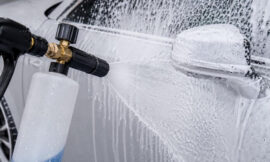
A deep clean might seem like a small step, but it makes a big difference. Cleaning your car helps you spot hidden problems and gives you a fresh start. Vacuum the interior, wipe down surfaces, and clean the windows. You should also wash and wax the exterior to protect the paint. A clean car not only looks better but also feels more comfortable and enjoyable to drive. It also helps maintain the car’s value over time.
10. Create a Maintenance Schedule
Once everything is checked and cleaned, it is time to plan for the future. Creating a maintenance schedule helps you stay on top of your car’s needs. Regular maintenance keeps your car running smoothly and prevents major breakdowns. Your schedule should include:
- Oil changes every few months
- Tire rotations
- Brake inspections
- Fluid checks
You can set reminders on your phone or keep a simple notebook. Staying consistent with maintenance will help your used car last longer and perform better.
Conclusion
Buying a used car is just the beginning of your journey. What you do right after the purchase can shape your entire ownership experience. By reviewing paperwork, handling registration, getting insurance, and checking the car’s condition, you protect yourself and your investment. Simple actions like changing fluids, inspecting tires, and creating a maintenance plan can make a huge difference. When you take these steps early, you reduce risks, save money, and enjoy a smoother driving experience. Treat your used car with care from day one, and it will serve you well for years to come.
Frequently Asked Questions
How soon should I service a used car after buying it?
You should service your used car as soon as possible, ideally within the first week. This ensures that any hidden issues are found early and that essential fluids and parts are in good condition.
Is it necessary to replace all fluids even if the seller says they are new?
Yes, it is recommended. You cannot always be sure of the previous maintenance, so replacing fluids gives you a clean starting point and reduces risk.
Can I drive my used car before registering it?
In most places, driving an unregistered car is not allowed. You should complete registration first or check if temporary permits are available in your area.
How do I know if my used car needs new tires?
Check the tread depth and look for cracks or uneven wear. If the tires look worn or the grip feels weak, it is safer to replace them.
What is the most important first step after buying a used car?
The most important step is making sure the car is legally yours by completing ownership transfer, registration, and insurance. This protects you and allows you to drive safely and legally.