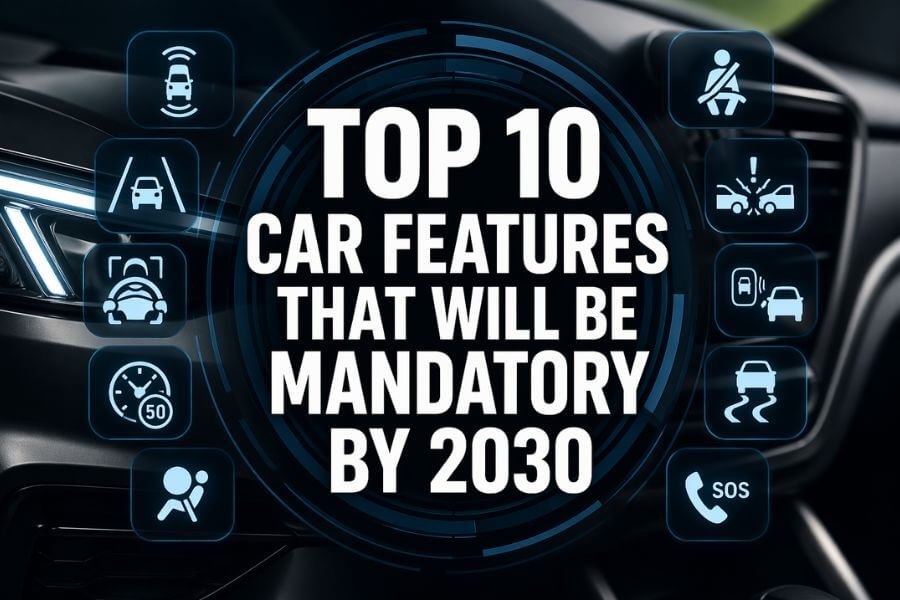
If you plan to buy a car in the next few years, you will notice something important. Cars are no longer just about speed, comfort, or style. Governments and safety experts around the world are pushing for smarter and safer vehicles. By 2030, many car features that feel optional today will become mandatory in many countries. These changes are designed to reduce accidents, protect the environment, and make driving easier for you.
You might think these features are only for luxury cars, but that is quickly changing. Even budget cars are starting to include advanced technology as standard. In this guide, you will discover the top 10 car features that are expected to become mandatory by 2030 and why they matter to you.
1. Automatic Emergency Braking (AEB)
Automatic Emergency Braking is one of the most important safety features you will see in modern cars. It uses sensors and cameras to detect obstacles in front of your vehicle and applies the brakes if you do not react in time. By 2030, this feature is expected to be required in most countries.
For you as a driver, this means fewer chances of rear-end collisions, especially in busy city traffic. AEB works at different speeds and can even detect pedestrians and cyclists in many newer systems. It acts as a second pair of eyes when your attention slips, which can happen to anyone.
2. Lane Keeping Assist
Lane Keeping Assist helps your car stay within its lane by gently adjusting the steering wheel. If you start to drift without using your turn signal, the system alerts you and may correct your direction automatically.
By 2030, this feature is likely to be mandatory because lane drifting is a major cause of accidents. For you, it adds an extra layer of safety during long drives when fatigue can set in. It does not replace your control, but it supports you when you need it most.
3. Driver Monitoring Systems
Driver Monitoring Systems use cameras or sensors to track your behavior while driving. They can detect signs of fatigue, distraction, or even if you are not looking at the road.
This feature will likely become mandatory as governments focus more on preventing accidents caused by human error. For you, it means the car can warn you to take a break or refocus before a dangerous situation happens. It is like having a smart co-driver that keeps an eye on your condition.
4. Intelligent Speed Assistance (ISA)
Intelligent Speed Assistance helps you stay within speed limits by using GPS and traffic sign recognition. It can warn you when you exceed the limit or even reduce your speed automatically in some systems.
By 2030, this feature is expected to be required in many regions to reduce speeding accidents. For you, it makes driving less stressful because you do not have to constantly check speed signs. It also helps you avoid fines and keeps your driving safer overall.
5. Advanced Airbag Systems
Airbags have been around for decades, but by 2030, they will become much more advanced. New systems will adjust their deployment based on your size, seating position, and the severity of the crash.
For you, this means better protection in different types of accidents. Future airbags may include:
- Side airbags for rear passengers
- Center airbags between front seats
- External airbags to protect pedestrians
These improvements aim to reduce injuries for everyone involved in a crash.
6. Rear Seat Belt Reminder Systems
You are probably used to seat belt reminders for front seats, but by 2030, reminders for rear passengers will likely be mandatory too. This system alerts you if someone in the back seat is not wearing a seat belt.
For you, it ensures that everyone in your car stays safe, not just the driver and front passenger. This is especially important if you travel with family or friends. It removes the need to constantly check if others have buckled up.
7. Event Data Recorders (Black Boxes)
Event Data Recorders, often called car black boxes, store important information before and during a crash. This includes speed, braking, and steering data.
By 2030, these systems are expected to be mandatory in many vehicles. For you, this can help in several ways:
- Provide evidence in case of an accident
- Help insurance claims process faster
- Improve overall road safety by analyzing crash data
While some people worry about privacy, the main goal is to make roads safer and accidents easier to understand.
8. Blind Spot Detection Systems
Blind Spot Detection uses sensors to monitor areas you cannot easily see in your mirrors. If another vehicle is in your blind spot, the system alerts you with a light or sound.
This feature will likely become mandatory because many accidents happen during lane changes. For you, it reduces the risk of side collisions and makes highway driving more confident. It is especially useful in heavy traffic where quick decisions are needed.
9. Electronic Stability Control (ESC) Enhancements
Electronic Stability Control is already common, but by 2030, more advanced versions will likely be required. ESC helps prevent skidding and loss of control by adjusting braking and engine power.
For you, this means better handling in difficult conditions like rain, snow, or sharp turns. Future improvements may include:
- Faster response times
- Better integration with other safety systems
- Enhanced control during emergency maneuvers
It works quietly in the background, but it can make a big difference when you need it.
10. Connectivity for Emergency Services (eCall)
eCall systems automatically contact emergency services if your car detects a serious accident. They send your location and important data to help responders reach you quickly.
By 2030, this feature is expected to be mandatory in many regions. For you, it can be life-saving, especially if you are unable to call for help yourself. It reduces response time and increases the chances of getting quick medical attention.
Conclusion
By 2030, cars will be safer, smarter, and more connected than ever before. Many features that feel advanced today will become standard requirements. These changes are not just about technology. They are about protecting you, your passengers, and everyone on the road.
When you look at your next car purchase, you should start thinking about these features now. Even if they are not mandatory yet, having them can give you peace of mind and better safety. The future of driving is not just about getting from one place to another. It is about doing it in the safest way possible.
Frequently Asked Questions
Will all cars worldwide have the same mandatory features by 2030?
Not exactly. Different countries have different regulations, so the exact list of mandatory features may vary. However, many safety technologies like automatic emergency braking and lane assist are becoming global standards, so you will see a lot of overlap.
Will these features make cars more expensive?
At first, yes, adding new technology can increase the cost of cars. However, as these features become standard and production increases, prices usually go down. Over time, you may not notice much difference in cost.
Can you turn off mandatory safety features?
Some features can be temporarily turned off, but many will automatically turn back on when you restart the car. Governments want to make sure these systems are always active to improve safety.
Do these features mean self-driving cars will be required?
No, mandatory features by 2030 focus on driver assistance, not full self-driving. You will still need to control the car, but these systems will support you and reduce risks.
Are older cars without these features still legal?
Yes, older cars will still be legal to drive. These rules usually apply only to new cars sold after a certain date. However, over time, newer cars with advanced safety features may become more common on the road.