Table of Contents
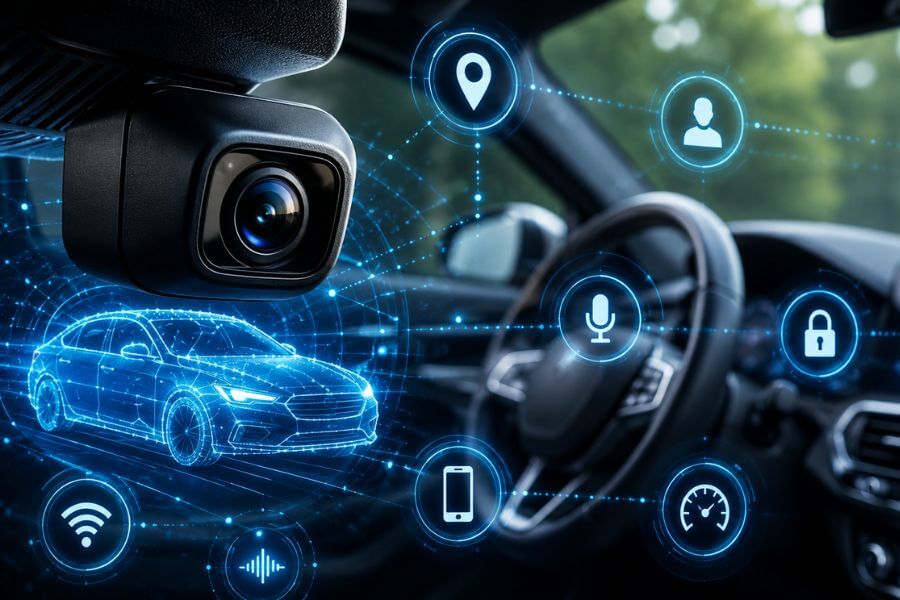
Modern cars are no longer just machines that get you from one place to another. They are packed with sensors, cameras, apps, microphones, GPS systems, and internet connections that constantly collect information about how you drive and live. Every time you connect your phone, use navigation, adjust your seat, or even press the brake pedal, your vehicle may be recording data in the background.
Many drivers never realize how much personal information their cars gather every single day. Some of this data helps improve safety and convenience, while other information may be shared with manufacturers, insurance companies, dealerships, or third-party services.
If you drive a newer vehicle, there is a good chance your car already knows your favorite routes, driving habits, entertainment choices, and even your voice commands. Here are 10 surprising ways your car is collecting data about you right now.
Quick Summary Table 📊
| # | Data Collection Method | What Your Car Tracks | Why It Matters |
|---|---|---|---|
| 1 | GPS Navigation | Locations and travel routes | Reveals your daily habits |
| 2 | Smartphone Connections | Contacts, messages, and apps | Personal data may stay stored |
| 3 | Driving Behavior Monitoring | Speed, braking, acceleration | Used for safety and insurance |
| 4 | Voice Assistants | Voice commands and speech | Audio may be recorded |
| 5 | In Car Cameras | Driver attention and surroundings | Privacy concerns increase |
| 6 | Vehicle Health Systems | Maintenance and driving patterns | Manufacturers track usage |
| 7 | Infotainment Systems | Music, searches, preferences | Builds a digital profile |
| 8 | Connected Apps | Remote access activity | More cloud data collection |
| 9 | Key Fobs and Digital Keys | Entry times and locations | Tracks vehicle access |
| 10 | Insurance Telematics | Real time driving behavior | Can affect insurance costs |
How We Ranked These Data Collection Methods 🧠
We ranked these examples based on several important factors that affect everyday drivers:
- How much personal information is collected
- How often the data is gathered
- Whether the collection happens automatically
- Potential privacy concerns for drivers
- How widely the technology is used in modern cars
- Whether the information may be shared externally
- How difficult it is for users to disable the tracking
- Impact on convenience, safety, or insurance
1. GPS Navigation Tracks Everywhere You Go 🗺️
Your car’s built-in navigation system does far more than simply provide directions. It can track your routes, favorite destinations, travel times, and regular driving patterns. If you drive to work every morning or visit the same gym every week, your car probably notices those habits.
Some systems store recent searches, home addresses, and frequently visited places. Connected vehicles may also upload this information to cloud servers to improve navigation services or traffic predictions.
This type of tracking creates a detailed map of your daily life. It can reveal where you live, work, shop, and spend your free time. Even if you stop using the navigation system, stored location history may remain in the vehicle for a long time.
For families sharing one car, this information can also expose personal routines and schedules to other drivers who access the system.
2. Your Smartphone Connection Shares More Than You Expect 📱
When you connect your phone through Bluetooth, Apple CarPlay, or Android Auto, your car may gain access to contacts, call logs, text messages, music libraries, and app data.
Many vehicles automatically sync your contact list and recent calls for convenience. While this makes hands-free communication easier, it also means your personal information may remain stored inside the vehicle even after your phone disconnects.
If you sell your car or return a leased vehicle without deleting saved data, the next owner could potentially access parts of your information.
Rental cars can create similar risks. Drivers often connect their phones for a short trip and forget to remove their data afterward. That leaves private details stored in a system they no longer control.
3. Driving Behavior Monitoring Watches How You Drive ⚡
Modern vehicles constantly analyze your driving habits. Your car may record:
- Speed
- Hard braking
- Rapid acceleration
- Steering behavior
- Seatbelt use
- Fuel efficiency
- Driving times
Manufacturers use this information to improve vehicle performance and safety systems. Some insurance companies also use driving data through telematics programs to adjust monthly rates.
Safe drivers may save money, but aggressive driving patterns can increase premiums. In some cases, drivers do not fully understand how much information is being collected or how long it is stored.
Your vehicle can basically create a digital report card about your behavior behind the wheel every day.
4. Voice Assistants Can Record Your Commands 🎤
Many newer vehicles include built-in voice assistants that respond to spoken commands. You might ask your car to call someone, change the music, adjust the temperature, or search for directions.
To improve voice recognition, some systems process or store audio recordings. This means parts of your conversations or commands could be saved temporarily or sent to external servers for analysis.
While manufacturers usually claim this improves accuracy and convenience, privacy concerns continue to grow. Some drivers feel uncomfortable knowing microphones inside their cars may always be listening for wake words or activation phrases.
Even accidental recordings can happen when systems incorrectly detect speech commands.
5. In Car Cameras Watch Both You and the Road 📷
Driver monitoring cameras are becoming common in modern vehicles. These systems track eye movement, head position, blinking, and driver attention levels.
Automakers say these cameras improve safety by detecting distracted or sleepy drivers. Advanced systems can warn you if you look away from the road for too long or appear tired.
Some cars also include exterior cameras that continuously monitor surroundings for parking assistance, collision prevention, and security recording.
Although these features increase safety, they also introduce serious privacy questions. Many drivers are unaware of exactly when cameras record data, where footage is stored, or who can access it later.
As self-driving technology grows, camera-based monitoring will likely become even more common.
6. Vehicle Health Systems Constantly Send Usage Data 🔧
Modern cars collect massive amounts of technical information about how the vehicle operates. This includes:
- Engine performance
- Tire pressure
- Battery health
- Fuel consumption
- Maintenance schedules
- Component wear
Connected vehicles often send diagnostic information directly to manufacturers or dealerships. This allows service departments to detect problems early and recommend repairs before breakdowns happen.
While predictive maintenance can save drivers time and money, it also means manufacturers receive detailed insights into how you use your car.
For example, they may know if you frequently drive aggressively, tow heavy loads, or skip maintenance appointments.
7. Infotainment Systems Build a Profile of Your Preferences 🎶
Your car’s infotainment system quietly learns your habits over time. It tracks favorite radio stations, music playlists, navigation searches, climate settings, and entertainment choices.
Some systems even personalize recommendations based on your routines and preferences. This creates a user profile similar to what streaming services or smartphone apps build online.
The more connected your vehicle becomes, the more detailed this digital profile can grow.
Manufacturers may use this information to improve customer experiences, develop targeted services, or personalize advertisements shown through connected apps.
Many drivers never realize their entertainment choices can become part of a larger data collection system.
8. Connected Car Apps Collect Remote Activity 🌐
Mobile apps connected to your car can track a surprising amount of information. These apps may allow you to:
- Start your vehicle remotely
- Check fuel levels
- Locate your car
- Unlock doors
- Monitor maintenance alerts
- View driving statistics
Every interaction creates more data points tied to your account. Since these services operate through cloud systems, information is often stored online rather than only inside the vehicle itself.
Connected apps make ownership more convenient, but they also expand the amount of personal information collected outside the car.
If an account is hacked or poorly secured, your vehicle data could become vulnerable.
9. Key Fobs and Digital Keys Track Vehicle Access 🔑
Even your key fob can generate useful data. Modern smart keys may record when the car was unlocked, started, or accessed.
Digital phone-based keys create even more tracking opportunities because they connect vehicle access directly to mobile accounts and apps.
Manufacturers can potentially see patterns such as:
- When the car is used
- How frequently it is driven
- Who accessed it
- Where it was parked
This data can improve security features and theft prevention, but it also creates a detailed timeline of your vehicle activity.
As digital key technology expands, cars may become even more connected to personal identity systems.
10. Insurance Telematics Programs Monitor Your Driving in Real Time 🛡️
Usage-based insurance programs are one of the clearest examples of vehicle data collection. Drivers install an app or tracking device that monitors real-world driving behavior.
These systems often measure:
- Mileage
- Speed
- Night driving
- Braking intensity
- Phone usage while driving
- Cornering habits
Insurance companies use this information to calculate risk levels and adjust pricing. Careful drivers may earn discounts, while risky habits can increase costs.
Some drivers appreciate the savings potential, but others worry about constant surveillance and data sharing.
The biggest concern is transparency. Many people join these programs without fully understanding how detailed the monitoring can become.
Conclusion: Convenience Comes With a Privacy Tradeoff 🚘
Modern vehicles are smarter, safer, and more connected than ever before. Features like navigation, remote apps, driver assistance systems, and voice controls make daily driving easier and more enjoyable.
But all of that convenience comes with a hidden cost: your personal data.
Your car may already know where you go, how you drive, what music you enjoy, when you leave home, and how often you use your phone behind the wheel. In many cases, this information is collected automatically without drivers fully realizing it.
That does not mean connected cars are bad. Many features genuinely improve safety and convenience. The important thing is understanding what your vehicle collects and learning how to manage your privacy settings whenever possible.
As cars continue evolving into rolling computers, data privacy will become one of the biggest issues drivers face in the future.
Frequently Asked Questions ❓
Can my car collect data even without internet access?
Yes. Many vehicles store information locally inside the car, even when they are not connected to the internet. Once the car reconnects to a network, some stored data may upload automatically.
Do older cars collect less personal data?
Generally, yes. Older vehicles without internet connectivity or advanced infotainment systems usually collect far less information than newer connected cars.
Can dealerships access my vehicle data?
In some situations, dealerships may access diagnostic or maintenance information, especially if the vehicle uses connected service systems tied to the manufacturer.
Is it possible to delete personal data before selling a car?
Yes. Most modern vehicles allow you to perform a factory reset through the infotainment system. This helps remove stored contacts, navigation history, and connected accounts.
Are electric vehicles collecting more data than gasoline cars?
Many electric vehicles rely heavily on software and connectivity features, so they often collect large amounts of operational and user data compared to traditional vehicles.