Table of Contents
Owning a car can give you freedom, comfort, and convenience, but it can also quietly drain your wallet when you develop bad habits without noticing them. Many drivers focus only on fuel prices or monthly payments, yet the biggest costs often come from simple mistakes that slowly damage the vehicle over time.
The scary part is that these mistakes usually do not cause problems right away. Instead, they build up month after month until you suddenly face a huge repair bill, lower resale value, or expensive breakdown. The good news is that once you know what to avoid, you can save thousands of dollars and keep your car running smoothly for years.
In this guide, you will learn about the most expensive car mistakes owners make without realizing it and how you can avoid them before they become costly problems.
Quick Summary Table 💸
| # | Car Mistake | Why It Costs So Much |
|---|---|---|
| 1 | Ignoring regular oil changes | Engine damage and shortened engine life |
| 2 | Driving with low tire pressure | Faster tire wear and poor fuel economy |
| 3 | Waiting too long to fix warning lights | Small repairs become major repairs |
| 4 | Riding the brakes constantly | Premature brake replacement |
| 5 | Skipping transmission maintenance | Transmission failure costs thousands |
| 6 | Using cheap or wrong fuel and fluids | Reduced performance and engine stress |
| 7 | Neglecting battery care | Unexpected breakdowns and electrical issues |
| 8 | Carrying unnecessary weight | Increased fuel use and suspension wear |
| 9 | Washing the car incorrectly or too rarely | Paint damage and rust problems |
| 10 | Driving aggressively every day | Faster wear on almost every component |
How We Ranked These Mistakes 🔍
We ranked these expensive car mistakes based on several important factors that affect everyday drivers.
- Average repair cost
- Long-term damage potential
- How common the mistake is
- Impact on fuel economy
- Effect on resale value
- Risk of sudden breakdowns
- How easy the mistake is to avoid
- Frequency of related repairs reported by mechanics
1. Ignoring Regular Oil Changes 🛢️
Many car owners delay oil changes because the car still feels fine. Unfortunately, your engine may be suffering even when there are no obvious signs.
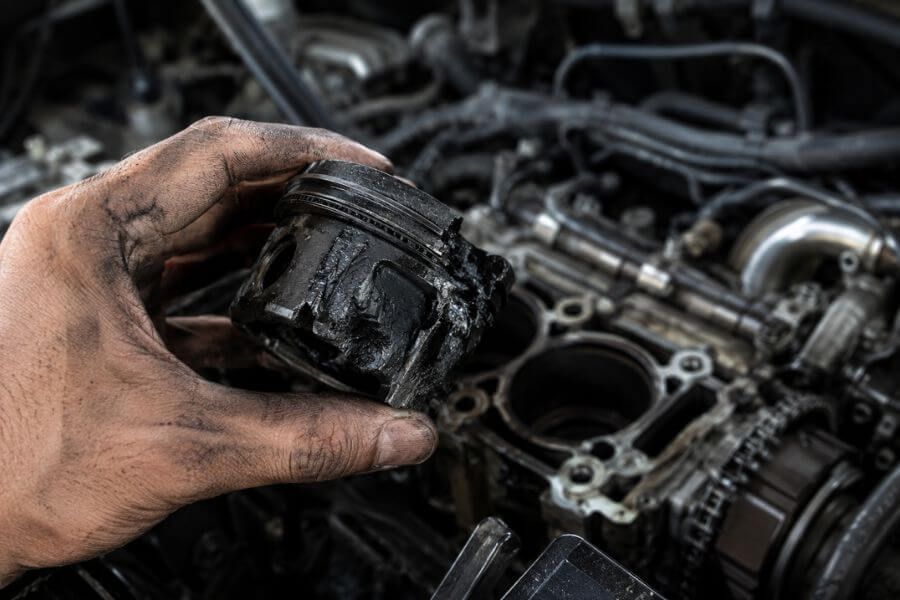
Motor oil keeps engine parts lubricated and prevents overheating. Over time, oil breaks down and becomes dirty. When that happens, metal parts grind against each other, creating friction and damage inside the engine.
Skipping oil changes can lead to:
- Sludge buildup
- Engine overheating
- Poor fuel economy
- Reduced engine lifespan
- Complete engine failure
An engine replacement can cost several thousand dollars, while regular oil changes are relatively cheap. Modern cars may allow longer intervals between oil changes, but ignoring them completely is one of the fastest ways to destroy a vehicle.
You should always follow your car manufacturer’s maintenance schedule and check oil levels regularly.
2. Driving With Low Tire Pressure 🛞
Low tire pressure may not seem like a big deal, but it quietly creates several expensive problems at once.
Underinflated tires wear unevenly and force your engine to work harder. That means you spend more money on gas while also shortening the life of your tires.
Low tire pressure can also increase the risk of:
- Tire blowouts
- Poor handling
- Longer braking distances
- Suspension damage
Many people wait until a tire looks visibly flat before adding air, but even slightly low pressure can hurt performance and safety.
Checking your tire pressure once a month takes only a few minutes and can help your tires last much longer.
3. Waiting Too Long to Fix Warning Lights ⚠️
Dashboard warning lights exist for a reason, yet many drivers ignore them until the car stops working properly.
A small issue today can quickly turn into a massive repair tomorrow. For example, ignoring a check engine light caused by a faulty sensor might eventually damage the catalytic converter, which is far more expensive to replace.
Common warning lights people ignore include:
- Check engine light
- Battery warning light
- Oil pressure light
- Brake system warning
- Tire pressure warning
Even if the car seems to drive normally, hidden damage may already be happening behind the scenes.
Getting diagnostic checks early can save you a huge amount of money later.
4. Riding the Brakes Constantly 🛑
Some drivers keep their foot lightly on the brake pedal while driving downhill or in traffic. Others brake hard at the last second instead of slowing gradually.
These habits wear out brake pads and rotors much faster than necessary.
Brake repairs become expensive when damaged pads begin grinding into the metal rotors. At that point, you are no longer replacing a simple part. You may need:
- New rotors
- Brake calipers
- Brake fluid service
- Additional labor costs
Smooth driving habits can dramatically extend brake life. Leaving more distance between cars and slowing down gradually helps reduce wear and keeps your brakes cooler.
5. Skipping Transmission Maintenance ⚙️
The transmission is one of the most expensive parts of any vehicle. Unfortunately, many people completely forget about it until problems appear.
Transmission fluid helps cool and lubricate internal components. Over time, the fluid becomes dirty and loses effectiveness.
Signs of transmission trouble may include:
- Delayed shifting
- Slipping gears
- Rough acceleration
- Burning smells
A simple transmission fluid service costs far less than replacing an entire transmission, which can easily cost thousands of dollars.
Some newer cars claim to have “lifetime” transmission fluid, but many mechanics still recommend periodic inspections and maintenance for long-term reliability.
6. Using Cheap or Wrong Fuel and Fluids ⛽
Trying to save money by using the wrong fluids can backfire badly.
Cars are designed to use specific engine oil, coolant, transmission fluid, and fuel grades. Using the wrong type can reduce performance and slowly damage important components.
Common mistakes include:
- Using low-quality engine oil
- Mixing incorrect coolant types
- Ignoring premium fuel requirements
- Using generic transmission fluid without checking compatibility
While cheaper products may seem like a smart short-term choice, they can lead to expensive repairs later.
You do not always need the most expensive products, but you should always use fluids that meet your vehicle’s specifications.
7. Neglecting Battery Care 🔋
Most people only think about their battery after the car refuses to start.
Extreme temperatures, corrosion, and short driving trips can weaken your battery over time. A failing battery also places extra strain on your alternator and electrical system.
Battery neglect can lead to:
- Unexpected breakdowns
- Electrical malfunctions
- Damaged charging systems
- Towing costs
Simple maintenance can make a big difference. Cleaning battery terminals, checking voltage, and replacing old batteries before they fail can save you both stress and money.
If your car struggles to start or the lights seem dim, it may be time to inspect the battery.
8. Carrying Unnecessary Weight 🎒
Many drivers treat their trunk like a storage unit without realizing how much extra weight affects the vehicle.
Heavy cargo forces your engine, brakes, tires, and suspension to work harder every day. It also lowers fuel efficiency.
Examples of unnecessary weight include:
- Sports equipment you never use
- Heavy toolboxes
- Old boxes and supplies
- Unused roof racks
Even a small reduction in weight can improve fuel economy and reduce wear on important components.
Cleaning out your car regularly is a simple habit that can save money over time.
9. Washing the Car Incorrectly or Too Rarely 🧽
Some people rarely wash their cars, while others accidentally damage the paint using harsh brushes or dirty towels.
Road salt, dirt, bird droppings, and tree sap can slowly damage paint and lead to rust. Once rust spreads, repairs become extremely expensive and may lower your car’s resale value significantly.
Bad washing habits can also create:
- Scratches
- Paint fading
- Clear coat damage
- Corrosion underneath the vehicle
Using proper car cleaning products and washing the car regularly helps protect both appearance and value.
Even if you do not care about keeping your car shiny, preventing rust should still be a priority.
10. Driving Aggressively Every Day 🏎️
Aggressive driving may feel exciting, but it quietly increases wear across nearly every major part of your vehicle.
Rapid acceleration, hard braking, and speeding place extra stress on:
- The engine
- Transmission
- Tires
- Brakes
- Suspension
- Fuel system
Aggressive drivers often spend much more money on maintenance without realizing why.
Smooth driving not only saves fuel but also helps your vehicle last longer with fewer repairs. Gentle acceleration and steady speeds are some of the easiest ways to reduce long-term ownership costs.
Conclusion ✅
Many expensive car problems do not happen because of bad luck. They happen because of small habits that seem harmless at first. Delaying maintenance, ignoring warning signs, or driving carelessly can slowly turn a reliable car into a financial headache.
The good news is that most of these mistakes are completely preventable. Simple habits like checking tire pressure, changing fluids on time, and driving smoothly can save you thousands of dollars over the life of your vehicle.
Taking care of your car today is almost always cheaper than paying for major repairs tomorrow. A little attention now can help your vehicle stay reliable, safe, and valuable for many years.
Frequently Asked Questions ❓
How often should you inspect your car even if nothing seems wrong?
You should do a basic inspection at least once a month. Check tire pressure, fluid levels, battery condition, lights, and windshield wipers. Even if the car feels normal, small issues can develop quietly over time.
Does short-distance driving damage your car?
Yes, frequent short trips can prevent the engine and battery from fully warming up. This may lead to increased engine wear, battery problems, and moisture buildup inside the engine.
Is premium fuel always better for your car?
Not necessarily. Premium fuel only benefits cars designed for it. If your owner’s manual recommends regular fuel, paying extra for premium usually provides little or no advantage.
Can bad driving habits reduce resale value?
Absolutely. Aggressive driving and poor maintenance can cause visible wear and mechanical problems that lower trade-in and resale value significantly.
What is the most expensive repair most drivers face?
Transmission and engine replacements are usually among the most expensive repairs. Both can cost several thousand dollars, especially in newer vehicles with advanced technology.