Table of Contents
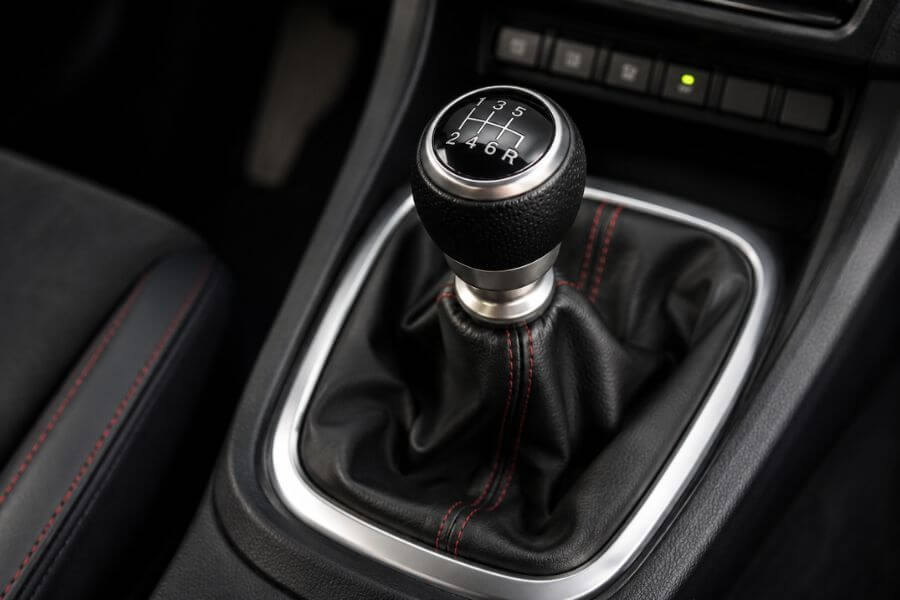
For years, automatic transmissions seemed like the clear winner in the car world. They became smoother, faster, and easier to drive in heavy traffic. Many people thought manual transmissions would slowly disappear for good. But in 2026, something surprising is happening. More drivers are looking for stick shift cars again.
You may have noticed more conversations online about driving engagement, old school sports cars, and the fun of shifting gears yourself. Younger drivers are also becoming curious about manuals because they offer a more connected driving experience that modern automatic cars sometimes lack.
Car makers are paying attention too. Some brands are bringing back manual options in performance cars, compact cars, and even special edition vehicles. Drivers want more control, more excitement, and a stronger connection with the road.
In this article, you will discover the biggest reasons manual transmissions are making a comeback in 2026 and why so many drivers are excited about them again.
Quick Summary Table ⚙️
| Reason | Why It Matters |
|---|---|
| Better Driving Experience | Drivers feel more connected to the car |
| More Affordable Cars | Manuals often cost less to buy and repair |
| Growing Enthusiast Culture | Car fans are promoting manual driving online |
| Improved Fuel Efficiency | Some modern manuals are surprisingly efficient |
| Less Driver Distraction | Drivers stay focused while shifting |
| Collector Car Interest | Manuals are becoming more valuable |
| Younger Drivers Want Something Different | Gen Z drivers enjoy learning stick shift |
| More Fun on Sports Cars | Performance feels more exciting |
| Reliability Advantages | Simpler systems can mean fewer expensive repairs |
| Automakers Listening to Enthusiasts | Brands are bringing manuals back in special models |
How We Ranked These Reasons 🔧
We ranked these reasons based on several important factors that affect modern drivers and the automotive market:
- Real-world driving enjoyment
- Growing consumer interest in manuals
- Cost savings and maintenance value
- Influence from social media and car culture
- Availability of new manual transmission cars
- Long-term ownership benefits
- Performance driving advantages
- Resale and collector market trends
- Driving skill development
- Industry trends in 2026
1. Drivers Want a More Connected Driving Experience 🎯
One of the biggest reasons manuals are returning is simple. Driving a stick shift feels more engaging.
When you drive a manual transmission, you control gear changes yourself. That creates a stronger connection between you and the car. You are not just pressing the gas pedal and steering. You are actively involved in the entire driving experience.
Many modern automatic cars feel smooth but distant. Some drivers say they feel more like passengers than drivers. Manuals change that feeling completely.
Every shift requires timing, attention, and coordination. Even daily driving can feel more rewarding when you are fully involved. That sense of control is something many people miss in newer vehicles packed with automated systems.
In 2026, more drivers are realizing they want cars that feel exciting rather than just convenient.
2. Manual Cars Are Often More Affordable 💵
Buying a car has become expensive, especially with rising technology costs. Manual transmission vehicles can help you save money in several ways.
Many manual models still have lower starting prices compared to automatic versions. Even when the price difference is not huge, every dollar matters to buyers dealing with high interest rates and insurance costs.
Repairs can also be cheaper. Manual transmissions usually have fewer complicated electronic parts than advanced automatic systems. That can reduce long-term maintenance expenses.
Drivers who want a fun car without spending luxury car money are turning toward manuals again. In many cases, you can get a sporty manual car for far less than a similar automatic performance model.
This combination of affordability and enjoyment is attracting younger buyers and budget-conscious enthusiasts.
3. Social Media and Car Culture Are Fueling Interest 📱
Car culture online has exploded over the past few years. Videos featuring manual driving, rev matching, and spirited road trips are gaining millions of views.
Platforms like YouTube, TikTok, and Instagram have helped younger audiences discover the excitement of stick shift driving. Many creators show how manuals make driving feel more personal and entertaining.
You may have even noticed more people posting videos of themselves learning to drive manual cars. What used to feel intimidating now feels trendy and interesting.
Enthusiast communities are also encouraging people to keep manual transmissions alive. Drivers see manuals as part of automotive history and identity. That passion spreads quickly online.
In 2026, manuals are no longer seen as outdated by many younger drivers. Instead, they are becoming cool again.
4. Modern Manuals Are More Efficient Than Many People Think ⛽
A common myth is that manual transmissions always use more fuel than automatics. While some advanced automatics are extremely efficient today, many manual cars still deliver strong fuel economy.
Modern manual transmissions have improved significantly. Better gearing, lighter vehicle designs, and smarter engines help manuals stay competitive.
Drivers also have more control over how the car behaves. You can shift earlier for efficiency or hold gears longer for performance, depending on your driving style.
For people who want both fun and reasonable fuel costs, manuals offer a balanced option.
As gas prices continue to fluctuate in 2026, efficient manual cars are attracting attention from practical buyers as well as enthusiasts.
5. Manuals Help Drivers Stay Focused 🛣️
Many drivers feel modern cars are becoming overloaded with screens, notifications, and distractions. Manual transmissions naturally demand more attention from the driver.
When you are shifting gears, coordinating the clutch, and paying attention to engine speed, you stay mentally engaged with the road.
Some drivers actually prefer this because it reduces boredom and encourages more attentive driving habits.
Manual cars also create a stronger sense of responsibility behind the wheel. Drivers often become more aware of speed, road conditions, and traffic flow.
In a time when distracted driving is a major concern, some people see manuals as a way to reconnect with the basics of driving.
6. Manual Cars Are Becoming Collector Favorites 🏁
Manual transmission vehicles are starting to feel rare, and rarity often increases value.
Collectors and enthusiasts are paying closer attention to manual versions of sports cars and performance vehicles. In many cases, manual models hold value better than automatic versions.
Some limited edition cars with manual transmissions are becoming highly desirable because buyers believe they represent the end of a driving era.
People who buy manual cars today may end up owning future classics. That possibility adds excitement for many enthusiasts.
Younger collectors are especially interested in analog driving experiences that feel different from highly computerized modern cars.
As more automakers move toward electric vehicles, traditional manual gasoline cars may become even more special in the future.
7. Younger Drivers Want a Unique Skill 🎓
Learning to drive a manual transmission used to be common. Today, it feels like a unique skill that sets drivers apart.
Many younger drivers in 2026 enjoy learning things that feel hands-on and authentic. Driving a stick shift fits perfectly into that trend.
Some people even see it as a personal challenge. Mastering clutch control and smooth shifting gives drivers a sense of accomplishment.
Knowing how to drive a manual can also be useful in certain situations, especially when renting cars abroad or borrowing vehicles from family and friends.
For many Gen Z drivers, manuals offer something refreshing in a world filled with automation and digital convenience.
Instead of avoiding the challenge, they are embracing it.
8. Sports Cars Feel More Exciting With a Manual 🔥
Performance cars and manual transmissions have always had a special connection.
Many enthusiasts believe a sports car feels more alive with a stick shift. You control the power delivery, choose the timing of every shift, and feel more connected to the engine.
Even though some automatic transmissions shift faster on paper, many drivers still prefer the emotional experience of driving a manual.
The excitement comes from involvement, not just speed numbers.
In 2026, several automakers will continue offering manuals specifically because enthusiasts demand them. Brands understand that emotional driving experiences still matter.
For people who enjoy weekend drives, mountain roads, or track days, manuals provide a level of excitement that automatics often struggle to match.
9. Manuals Can Offer Better Long-Term Reliability 🧰
While no transmission is perfect, manual gearboxes are often mechanically simpler than many modern automatics.
Advanced automatic systems now include complex electronics, multiple clutches, and expensive components. Repairs can become very costly once those systems age.
Manual transmissions usually have fewer parts that can fail. If properly maintained, they can last a very long time.
Clutch replacements are still necessary over time, but many drivers feel the overall ownership costs are easier to manage.
People planning to keep their cars for many years are beginning to appreciate the long-term simplicity of manuals again.
That reliability factor is helping manuals regain popularity among practical drivers as well as enthusiasts.
10. Automakers Are Finally Listening to Enthusiasts 🎵
Car companies once believed manuals were disappearing completely. But growing enthusiasm from drivers has changed some minds.
Several automakers are now offering manual transmissions in performance trims, limited editions, and enthusiast-focused models.
Manufacturers understand that manuals help create emotional connections with customers. They also help brands build excitement and loyalty within enthusiast communities.
Even drivers who never buy manuals often appreciate that these cars still exist because they represent driving passion and tradition.
In 2026, manuals are no longer surviving by accident. Automakers are intentionally keeping them alive for people who still love the experience.
That renewed support from the industry is playing a major role in the manual transmission comeback.
Conclusion 🚘
Manual transmissions may never dominate the market again, but they are clearly far from dead. In 2026, more drivers are rediscovering the excitement, control, and personality that stick shift cars provide.
For some people, manuals are about saving money or improving reliability. For others, they are about preserving driving culture and enjoying every moment behind the wheel.
Younger drivers are helping fuel this comeback by embracing manual driving as a skill and an experience rather than seeing it as outdated technology.
As cars become more automated and digital, manuals offer something refreshingly human. They remind you that driving can still feel exciting, rewarding, and deeply personal.
That is exactly why manual transmissions are making a surprising comeback in 2026.
Frequently Asked Questions ❓
Are manual transmissions harder to learn than automatics?
Yes, manuals usually take more practice because you must learn clutch control and gear shifting. However, most drivers can become comfortable after a few days or weeks of regular driving.
Do manual cars still exist in electric vehicles?
Traditional manual transmissions are extremely rare in electric vehicles because electric motors deliver power differently. Most EVs use single-speed systems instead of multiple gears.
Are manual transmissions safer to drive?
Manuals can encourage better focus because drivers stay more engaged with the car. However, safety still depends mainly on driver behavior and attention.
Why do sports car enthusiasts prefer manuals?
Many enthusiasts enjoy the feeling of controlling every shift themselves. Manuals create a stronger emotional connection with the car and make driving feel more interactive.
Will manual cars disappear completely in the future?
Manual cars will likely become less common over time, especially as electric vehicles grow. However, enthusiast demand may keep manuals alive in certain sports cars and specialty vehicles for many years.