Table of Contents
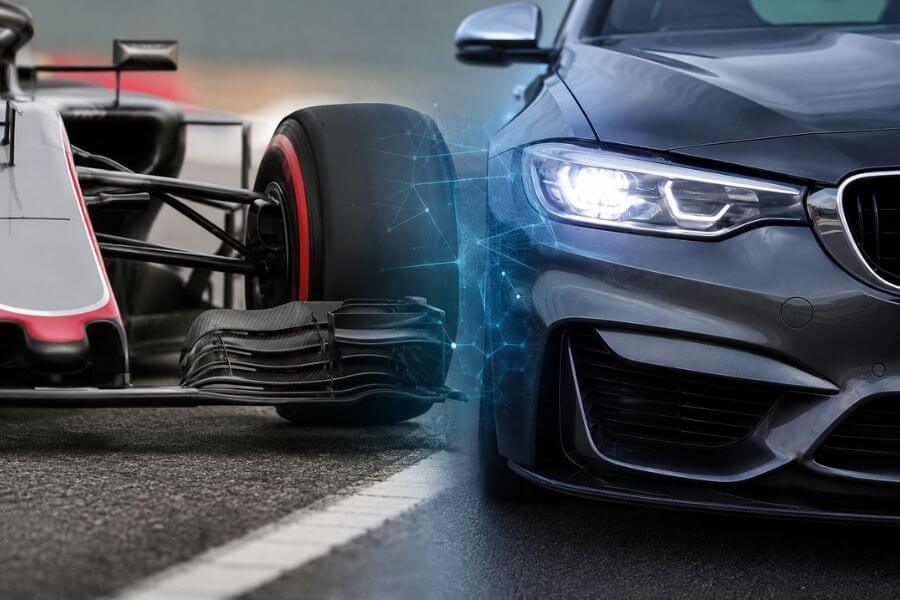
When you drive your modern car, you are probably using technology that was once tested at over 200 miles per hour on a Formula 1 track. Formula 1 has always been more than just racing. It is one of the world’s biggest laboratories for car innovation. Teams spend millions of dollars trying to gain even the smallest advantage, and many of those breakthroughs eventually make their way into the cars you drive every day.
From paddle shifters to hybrid power systems, many features you now take for granted were first pushed to the limit in F1 racing. These technologies were originally designed to improve speed, safety, fuel efficiency, and handling under extreme conditions. Over time, car manufacturers adapted them for normal roads and everyday drivers.
In this article, you will discover 10 Formula 1 technologies that eventually found their way into your street car and changed the driving experience forever.
Quick Summary Table 🏁
| # | Formula 1 Technology | What It Does in Street Cars |
|---|---|---|
| 1 | Paddle Shifters | Faster and smoother gear changes |
| 2 | Hybrid Power Systems | Better fuel economy and performance |
| 3 | Carbon Fiber Components | Lighter and stronger vehicle parts |
| 4 | Aerodynamics | Improved stability and fuel efficiency |
| 5 | Brake-by-Wire Systems | More precise braking response |
| 6 | Energy Recovery Systems | Recycles wasted energy for power |
| 7 | Advanced Telemetry | Real-time vehicle monitoring |
| 8 | Semi-Automatic Gearboxes | Easier and quicker shifting |
| 9 | High Performance Tires | Better grip and handling |
| 10 | Steering Wheel Controls | Safer and more convenient driving |
How We Ranked These Technologies ⚙️
We ranked these Formula 1 innovations based on several important factors:
- How widely the technology is used in modern street cars
- How much it improved driving safety and performance
- Its impact on fuel economy and efficiency
- How much it changed the driving experience for regular drivers
- The level of innovation it introduced to the automotive world
- Whether luxury and affordable cars both adopted it
- How important it remains in today’s automotive industry
1. Paddle Shifters 🎯
One of the most noticeable Formula 1 technologies in modern cars is the paddle shifter. In F1, drivers need to change gears instantly without taking their hands off the steering wheel. Paddle shifters allowed racers to shift faster while maintaining control during high-speed corners.
Today, you can find paddle shifters in sports cars, luxury sedans, SUVs, and even some economy vehicles. Instead of using a traditional manual gear lever, you simply tap the paddles behind the steering wheel.
For you as a driver, this means quicker gear changes, smoother acceleration, and a more engaging driving experience. Even if you are not racing, paddle shifters can make highway driving and overtaking feel more responsive and fun.
Brands like Ferrari, BMW, Mercedes-Benz, and even Hyundai now use versions of this racing-inspired technology in their road cars.
2. Hybrid Power Systems 🔋
Formula 1 helped change the way people think about hybrid vehicles. While many drivers once associated hybrids with slow and boring cars, F1 proved that hybrid systems could deliver incredible performance.
Modern Formula 1 cars use advanced hybrid power units that combine gasoline engines with electric motors. These systems recover energy and use it to boost acceleration.
Street cars now use similar concepts to improve fuel economy while still delivering strong performance. Vehicles like the Toyota Prius, Honda Accord Hybrid, and many plug-in hybrids use energy recovery and electric assistance systems inspired by racing technology.
Even high-performance supercars like the McLaren P1 and Ferrari SF90 use hybrid systems heavily influenced by Formula 1 engineering.
As a driver, you benefit from lower fuel costs, fewer emissions, and better acceleration all at the same time.
3. Carbon Fiber Components 🧩
Formula 1 teams are obsessed with reducing weight because lighter cars are faster and more efficient. One of the biggest breakthroughs in racing was the use of carbon fiber.
Carbon fiber is extremely strong while remaining very light. F1 cars use it for their chassis, body panels, and safety structures.
Today, many streetcars use carbon fiber in different ways. High-end sports cars often include carbon fiber roofs, spoilers, hoods, and interior parts. Even some regular vehicles now use lightweight composite materials inspired by Formula 1 design.
For you, lighter cars mean better fuel economy, quicker acceleration, and improved handling. Carbon fiber also increases crash protection because it can absorb large amounts of energy during impacts.
4. Aerodynamics 🌬️
Every curve and wing on a Formula 1 car is carefully designed to control airflow. Aerodynamics help F1 cars stay glued to the track while reducing drag at high speeds.
Modern street cars use many aerodynamic ideas that first became important in Formula 1. Features like rear spoilers, air curtains, underbody panels, active grille shutters, and sculpted body designs all help improve airflow.
Even electric vehicles rely heavily on aerodynamic efficiency to maximize driving range.
When you drive a car with good aerodynamics, you get better fuel efficiency, less wind noise, improved stability, and better handling at highway speeds.
Many modern sedans and SUVs now look sleeker because manufacturers use racing-inspired airflow testing during development.
5. Brake-by-Wire Systems 🛑
Traditional braking systems rely mostly on hydraulic pressure. Formula 1 introduced highly advanced brake-by-wire systems that electronically control part of the braking process.
In modern street cars, brake-by-wire technology is becoming increasingly common, especially in hybrid and electric vehicles. Instead of relying only on physical brake connections, electronic systems help manage braking force more precisely.
This improves braking response, stability control, and regenerative braking performance.
For you, the result is smoother braking, shorter stopping distances, and more consistent performance in different driving conditions.
Cars with advanced driver assistance systems also depend heavily on electronic braking technologies that evolved from racing innovations.
6. Energy Recovery Systems ⚡
Formula 1 engineers hate wasting energy. That mindset led to the development of energy recovery systems that capture heat and braking energy and convert it into usable power.
Modern hybrids and electric vehicles use similar systems every day. Regenerative braking is one of the best examples. When you press the brakes, the car captures energy that would normally be lost and stores it in the battery.
This technology helps improve fuel economy and driving range without requiring extra fuel.
For everyday drivers, it means fewer trips to the gas station and more efficient driving overall.
Energy recovery systems also helped pave the way for the rapid growth of electric vehicle technology around the world.
7. Advanced Telemetry 📡
Formula 1 cars constantly send data back to engineers during races. Teams monitor tire temperatures, fuel use, engine performance, brake conditions, and hundreds of other details in real time.
Modern streetcars now use similar monitoring systems. Your car can track tire pressure, fuel efficiency, engine diagnostics, battery health, and even driving habits.
Many vehicles can also connect directly to smartphone apps and dealer service centers.
This technology helps you catch problems early before they become expensive repairs. It also improves safety and convenience by giving you instant feedback about your vehicle’s condition.
What once required an entire Formula 1 pit crew can now happen automatically on your dashboard screen.
8. Semi-Automatic Gearboxes 🔧
Formula 1 moved away from traditional manual transmissions decades ago because drivers needed faster and more efficient shifting systems.
That innovation eventually led to semi-automatic gearboxes in road cars. These transmissions combine the convenience of an automatic with the control of a manual.
Dual clutch transmissions, often called DCTs, are one of the best examples. They shift gears extremely quickly and smoothly.
For you, this means faster acceleration, better fuel efficiency, and less effort during city driving. Many modern sports cars now use advanced transmissions that were directly inspired by Formula 1 engineering.
Even everyday vehicles benefit from transmission software improvements that originally came from racing research.
9. High Performance Tires 🛞
Formula 1 tire technology pushed manufacturers to create better rubber compounds, tread designs, and performance standards for street tires.
Racing teams spend huge amounts of time studying tire grip, wear, and heat management. Many of those lessons eventually improved regular passenger car tires.
Today’s high-performance tires offer better traction in wet and dry conditions, shorter braking distances, and longer lifespans.
For you, this means safer driving and more confidence behind the wheel.
Even all-season tires now benefit from materials and testing methods that were once developed for elite motorsports competition.
10. Steering Wheel Controls 🎮
Formula 1 steering wheels look like advanced computers because they control nearly every function of the race car. Drivers can adjust settings without taking their hands off the wheel.
Modern street cars borrowed this idea by adding steering wheel controls for audio, cruise control, phone calls, voice commands, and driver assistance systems.
These controls make driving safer because you can keep your eyes on the road while managing important functions.
Luxury vehicles especially embraced this technology, but now even affordable cars include multifunction steering wheels.
What began as a racing necessity has become a standard convenience feature for millions of drivers worldwide.
Conclusion 🏆
Formula 1 is not just about entertainment and competition. It is one of the biggest sources of automotive innovation in the world. Technologies developed under extreme racing conditions often find their way into the cars you drive every day.
From hybrid systems and aerodynamic designs to paddle shifters and regenerative braking, Formula 1 has shaped the modern driving experience in countless ways.
The next time you enjoy smooth gear changes, advanced safety systems, or better fuel economy, there is a good chance you are benefiting from technology that once helped a Formula 1 driver fight for victory on the track.
As racing continues to evolve, especially with electric and sustainable technologies, you can expect even more Formula 1 innovations to appear in future street cars.
Frequently Asked Questions ❓
Are Formula 1 technologies expensive to add to regular cars?
Some technologies are expensive at first, especially advanced materials like carbon fiber. However, costs usually decrease over time as manufacturers produce them on a larger scale. Many features that were once only available in luxury cars are now common in affordable vehicles.
Why do car companies use Formula 1 as a testing ground?
Formula 1 pushes cars to their limits under extreme conditions. This allows manufacturers to test new technologies quickly and improve performance, safety, and reliability before adapting them for public roads.
Do electric vehicles use Formula 1-inspired technology?
Yes, many electric vehicles use technology influenced by Formula 1 research, especially in battery management, regenerative braking, aerodynamics, and energy recovery systems.
Which Formula 1 innovation improved safety the most?
Carbon fiber safety structures had one of the biggest impacts on vehicle safety. They help absorb crash energy and protect drivers during serious accidents. Many modern vehicles now use similar materials and engineering principles.
Will future street cars become even more like Formula 1 cars?
In some ways, yes. Features like advanced driver assistance systems, smart energy management, lightweight materials, and high-efficiency hybrid systems are already moving road cars closer to racing technology every year.