Table of Contents
Self-driving cars were supposed to completely change the way you travel. For years, tech companies and car brands promised a future where your car could drive itself while you relaxed, worked, or even slept. Some companies predicted that fully autonomous cars would already dominate roads by now.
While modern vehicles have become smarter and safer, many of those bold promises still have not become reality. Features like lane keeping, adaptive cruise control, and automatic parking are useful, but true hands-free driving everywhere is still far away for most drivers.
In this article, you will discover 10 self-driving car promises that sounded exciting but still have not fully happened yet. You will also learn why these goals remain difficult even with massive investments and advanced technology.
Quick Summary Table 📊
| # | Promise | Why It Hasn’t Fully Happened Yet |
|---|---|---|
| 1 | Fully autonomous driving everywhere | Roads and traffic situations remain too unpredictable |
| 2 | Robotaxis replacing normal taxis | Safety, regulations, and costs slow expansion |
| 3 | Zero traffic accidents | Human behavior and software limitations still create risks |
| 4 | Sleeping during your commute | Most systems still require driver attention |
| 5 | Self-driving delivery fleets everywhere | Advanced sensors and computing remain expensive |
| 6 | Cars that work perfectly in all weather | Rain, snow, and fog still confuse systems |
| 7 | No need for steering wheels | Governments still require human control |
| 8 | Self driving delivery fleets everywhere | Infrastructure and legal issues limit growth |
| 9 | Instant reduction in traffic jams | Mixed traffic creates new complications |
| 10 | Fully connected smart cities supporting autonomy | Most cities lack the needed infrastructure |
How We Ranked These Promises 🧠
We ranked these self-driving car promises using several important factors:
- How often the promise was promoted by automakers and tech companies
- How close the technology is to real-world success
- How much the promise affects everyday drivers
- The gap between public expectations and current reality
- Safety and legal challenges slowing progress
- Cost and infrastructure problems preventing large-scale adoption
- Whether the promise works consistently outside controlled environments
1. Fully Autonomous Driving Anywhere 🌎
One of the biggest promises was that your car would eventually drive itself anywhere without your help. Companies showed videos of cars smoothly navigating cities, highways, and neighborhoods with no driver input.
The reality is very different.
Most self-driving systems today only work well in limited environments. Highways with clear lane markings are much easier for computers to understand than busy city streets filled with pedestrians, cyclists, construction zones, and unpredictable drivers.
You still need to stay alert in almost every modern vehicle with advanced driving systems. Even cars marketed with names suggesting full autonomy still require supervision from the person behind the wheel.
The biggest problem is unpredictability. Human drivers make strange decisions all the time. A child running into the street, confusing road signs, or unusual weather conditions can quickly challenge even the best software.
True autonomous driving everywhere remains one of the hardest technology challenges in the world.
2. Robotaxis Replacing Traditional Taxis 🚕
Many companies claimed robotaxis would quickly replace rideshare drivers and traditional taxi services. The idea sounded simple. Instead of paying a human driver, you would call a fully autonomous vehicle using an app.
While robotaxi services do exist in limited areas, they are far from replacing normal transportation.
Most services operate only in carefully mapped locations with strict limitations. Many cannot handle severe weather, complex intersections, or unpredictable traffic patterns. Human support teams are often still monitoring the vehicles remotely.
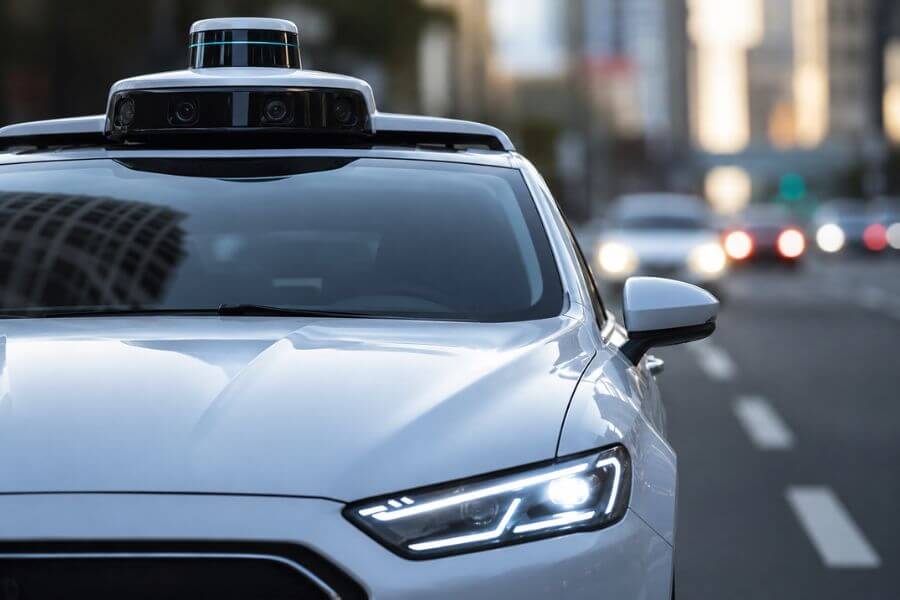
Cost is another major issue. Self-driving cars use expensive sensors, cameras, radar systems, and high-performance computers. Maintaining these fleets is much more expensive than many companies originally predicted.
Public trust also remains a challenge. Some people still feel nervous getting into a car with no human driver, especially after highly publicized accidents involving autonomous vehicles.
The robotaxi future may still happen one day, but it is moving far more slowly than early predictions suggested.
3. Zero Traffic Accidents ⚠️
A major promise of self-driving technology was a future with almost no car accidents. Since computers do not get tired, distracted, drunk, or emotional, many experts believe autonomous vehicles would dramatically improve road safety.
Modern driving assistance systems have helped reduce certain types of crashes, but accidents involving self-driving technology still happen.
The problem is that driving is incredibly complicated. Computers can process large amounts of information quickly, but they still struggle with situations humans solve naturally through experience and judgment.
For example, construction zones with unclear lane markings can confuse autonomous systems. Unexpected pedestrian behavior or unusual road layouts can also create problems.
Another issue is that roads currently contain a mix of human drivers and automated systems. Human drivers are unpredictable, aggressive, impatient, and sometimes careless. Self-driving cars must constantly adapt to these behaviors.
The goal of reducing accidents is still possible in the future, but the dream of completely eliminating crashes has not come close to reality yet.
4. Sleeping During Your Commute 😴
For years, advertisements and concept videos showed people sleeping, watching movies, or reading books while their cars drove them to work.
That future is still not available for most drivers.
Even advanced systems today usually require you to keep your eyes on the road and your hands ready to take over at any moment. Some vehicles even monitor your face and eye movements to ensure you remain attentive.
This creates an awkward situation. Drivers are told the car can handle many tasks, but they must still stay alert enough to react instantly during emergencies.
Researchers have found that humans are actually bad at staying focused during long periods of passive monitoring. If the car handles driving for too long, your attention naturally drifts away.
Because of this problem, fully relaxing during your commute remains unrealistic for now. Most systems are still advanced driver assistance features rather than true autonomous driving.
5. Self-Driving Cars Affordable for Everyone 💰
At one point, many people believed autonomous driving would quickly become affordable for average families. The idea was that technology costs would fall rapidly, just like smartphones and televisions.
That has not happened yet.
Many self-driving systems rely on expensive hardware, including lidar sensors, advanced radar, high-resolution cameras, and powerful onboard computers. These parts can add thousands of dollars to a vehicle’s price.
Software development costs are also massive. Companies spend billions testing, updating, and improving autonomous systems.
Insurance and legal concerns may also increase ownership costs. If a self-driving car causes an accident, determining responsibility becomes complicated.
As a result, many advanced self-driving features are still limited to expensive vehicles or premium subscription packages.
For most buyers, fully autonomous technology remains financially out of reach.
6. Perfect Operation in Every Weather Condition 🌧️
Early demonstrations of autonomous cars often showed perfect sunny weather and clean roads. Real-life driving conditions are far more difficult.
Rain can block cameras. Snow can hide lane markings. Fog can reduce sensor visibility. Bright sunlight can create glare. Even dirt on sensors may reduce system accuracy.
Human drivers naturally adapt to changing weather by using experience and common sense. Self-driving systems rely heavily on visual and sensor data that can become unreliable in poor conditions.
Some autonomous vehicles simply reduce functionality or shut off certain features during bad weather.
This remains one of the largest technical barriers to widespread self-driving adoption. A system that works perfectly in ideal conditions but struggles during storms cannot fully replace human drivers yet.
7. The End of Steering Wheels 🛞
Several concept cars promised a future where steering wheels and pedals would disappear completely. Passengers would simply sit back while the car handled everything.
That vision still faces major obstacles.
Most governments require drivers to maintain control of their vehicles. Regulations are strict because safety concerns remain high.
Even if the technology improves dramatically, lawmakers must still determine legal responsibility during accidents. Questions about liability continue to slow progress.
Consumers also remain cautious. Many people still want the ability to take control during emergencies or difficult road situations.
As a result, nearly all production vehicles today still include traditional controls, even when equipped with advanced autonomous features.
The steering wheel is not disappearing anytime soon.
8. Self-Driving Delivery Fleets Everywhere 📦
Autonomous delivery vehicles were expected to transform shopping and shipping. Small robots, vans, and trucks were supposed to handle deliveries with little or no human involvement.
While some pilot programs exist, large-scale adoption has not happened.
Delivery environments are surprisingly difficult for autonomous systems. Busy parking lots, apartment complexes, narrow streets, and unpredictable pedestrians create constant challenges.
There are also practical problems involving theft, vandalism, and customer interactions. A robot may struggle if a package requires a signature or if delivery instructions are unclear.
Long-distance autonomous trucking also remains limited despite years of promises.
Human delivery drivers continue to outperform automated systems in flexibility and problem-solving.
9. Instant Relief From Traffic Jams 🚦
Supporters of autonomous driving often claimed that self-driving cars would eliminate traffic congestion by communicating with each other and driving more efficiently.
In reality, traffic remains a major problem worldwide.
Part of the issue is that roads currently contain a mix of human-driven and semi-autonomous vehicles. Human behavior creates sudden braking, lane changes, and unpredictable driving patterns that disrupt traffic flow.
Self-driving systems also tend to behave cautiously. While that improves safety in some situations, it can slow traffic or create hesitation during busy driving conditions.
Infrastructure limitations are another problem. Roads in many cities were never designed for autonomous transportation systems.
Reducing congestion will likely require major changes to urban planning, public transportation, and traffic management rather than relying only on smarter cars.
10. Fully Connected Smart Cities Supporting Autonomous Cars 🌆
Another bold promise involved smart cities filled with connected infrastructure designed specifically for autonomous vehicles.
Traffic lights would communicate with cars. Roads would contain sensors. Vehicles would constantly exchange data to improve safety and efficiency.
Most cities are nowhere near this level of development.
Building smart infrastructure costs enormous amounts of money. Many governments already struggle to maintain existing roads and transportation systems.
There are also cybersecurity concerns. A fully connected transportation network could become a target for hackers or technical failures.
Different automakers and technology companies also use different systems, making standardization difficult.
While some cities are experimenting with connected infrastructure, the large-scale smart city revolution supporting self-driving cars still feels far away.
Conclusion 🏁
Self-driving technology has made impressive progress, but many early promises were far too optimistic. Fully autonomous cars remain limited by technology, safety concerns, regulations, weather conditions, infrastructure problems, and public trust.
You can already enjoy helpful driving assistance features today, including adaptive cruise control, lane keeping, and automatic emergency braking. However, these systems are still designed to assist you rather than completely replace you.
The future of autonomous driving will likely arrive gradually instead of through a sudden revolution. Cars will continue becoming smarter over time, but the dream of fully self-driving vehicles everywhere is still a work in progress.
For now, your attention behind the wheel remains one of the most important safety systems on the road.
Frequently Asked Questions ❓
Are self-driving cars legal in the United States?
Self-driving car laws vary by state. Some states allow testing and limited autonomous operations, while others have stricter restrictions. Fully driverless vehicles are still uncommon in most areas.
What is the difference between driver assistance and full self-driving?
Driver assistance systems help with tasks like steering, braking, or lane keeping, but you must still supervise the vehicle. Full self-driving means the car can operate entirely on its own without human attention.
Why do self-driving cars use so many cameras and sensors?
Autonomous vehicles need multiple systems to understand their surroundings. Cameras, radar, lidar, and ultrasonic sensors help detect vehicles, pedestrians, road signs, and obstacles.
Will self-driving cars eventually lower insurance costs?
Possibly, but not immediately. If autonomous systems significantly reduce accidents in the future, insurance rates may decrease. Right now, repair costs for advanced technology can still be expensive.
Which companies are leading self-driving car development today?
Several major automakers and technology companies are investing heavily in autonomous driving, including companies involved in robotaxi services, advanced driver assistance systems, and AI-powered vehicle software.