Table of Contents
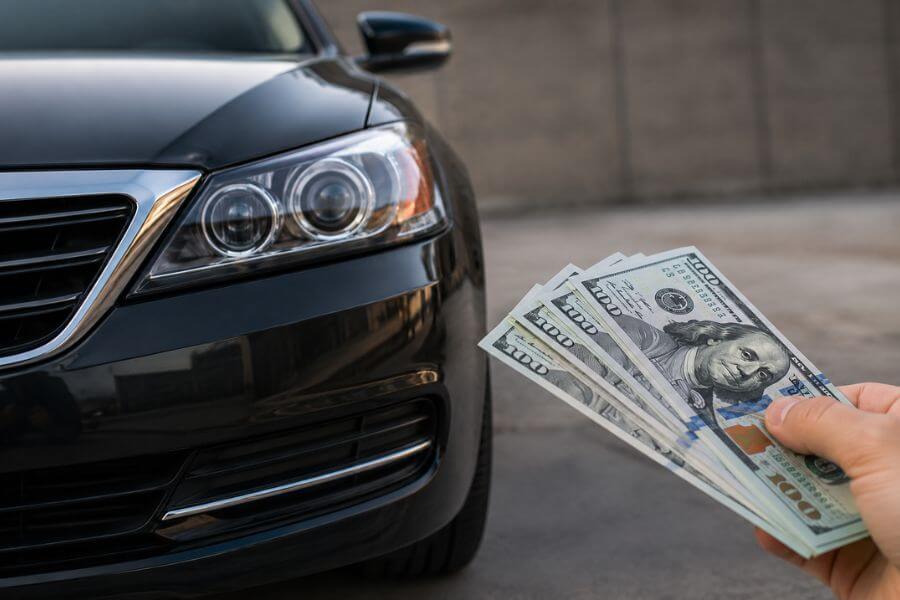
Buying a brand new car feels exciting. You get that fresh interior smell, untouched seats, and the feeling that everything is perfect. But there is one painful truth many buyers discover too late. Some cars lose value incredibly fast the moment you drive them off the lot.
Depreciation is one of the biggest hidden costs of owning a vehicle. A car that drops thousands of dollars in value within a couple of years can hurt your finances far more than gas, insurance, or maintenance. That is why smart buyers often look at resale value before signing any paperwork.
In this guide, you will discover 10 cars that depreciate so quickly that buying them brand new usually makes little financial sense. In many cases, buying these models used can save you a huge amount of money while giving you nearly the same driving experience.
Quick Summary Table 📊
| Car Model | Why It Depreciates Fast | Better Buying Strategy |
|---|---|---|
| BMW 7 Series | Expensive repairs and weak resale demand | Buy 3 to 5 years used |
| Nissan Leaf | Battery concerns and EV competition | Buy lightly used |
| Maserati Ghibli | Luxury badge with weak reliability reputation | Never buy new |
| Chrysler 300 | Aging design and shrinking demand | Buy heavily discounted used |
| Jaguar XF | High maintenance costs | Lease or buy used |
| Chevrolet Malibu | Sedans lose popularity quickly | Mercedes-Benz S Class |
| Infiniti QX80 | Poor fuel economy and outdated tech | Buy after major depreciation |
| Cadillac Escalade ESV | Huge initial price drop | Buy used after 2 years |
| Land Rover Discovery | Reliability worries hurt resale | Avoid buying new |
| Mercedes Benz S Class | Massive luxury depreciation | Buy used with warranty |
How We Ranked These Cars 🔍
We looked at several important factors to identify vehicles that lose value the fastest:
- Average resale value after 3 to 5 years
- Repair and maintenance costs
- Reliability reputation
- Consumer demand in the used market
- Competition from newer models
- Fuel economy concerns
- Technology becoming outdated quickly
- Lease return market saturation
- Brand reputation for long-term ownership
- Insurance and ownership expenses
1. BMW 7 Series 💸
The BMW 7 Series is one of the most luxurious sedans you can buy, but it is also one of the fastest depreciating vehicles on the market. A brand new model can lose a huge percentage of its value within just a few years.
One major reason is maintenance costs. Once the factory warranty ends, repairs become extremely expensive. Many used luxury buyers avoid older flagship German sedans because they fear large repair bills.
Technology is another issue. BMW constantly updates the 7 Series with newer screens, driving systems, and interior features. Older versions quickly feel outdated compared to the latest model.
If you love the 7 Series, buying one that is already 3 to 5 years old can save you tens of thousands of dollars while still giving you an upscale driving experience.
2. Nissan Leaf 🔋
The Nissan Leaf helped make electric cars more common, but depreciation hits this EV especially hard. Battery concerns play a huge role in this problem.
Many buyers worry about battery lifespan and replacement costs. Even though newer Leaf models have improved range and technology, older versions still suffer from weak resale demand.
The EV market also changes quickly. Every year, newer electric vehicles arrive with longer range, faster charging, and better features. That makes older EVs feel outdated faster than gasoline cars.
Buying a used Nissan Leaf often makes much more sense financially because the first owner usually takes the biggest depreciation hit.
3. Maserati Ghibli 🏎️
The Maserati Ghibli looks exotic and expensive, but its resale value drops surprisingly fast. Many buyers are attracted to the luxury badge at first, yet the long-term ownership costs scare away used buyers.
Repair costs are very high, and reliability ratings have not always been impressive. Some owners also complain that the interior quality does not fully match the premium price tag.
Another issue is competition. Luxury buyers often choose rivals from BMW, Mercedes-Benz, or Porsche instead because they trust those brands more for long-term ownership.
A used Ghibli can look like an incredible bargain, but buying one brand new is usually a poor financial decision.
4. Chrysler 300 🛞
The Chrysler 300 has a bold design and a comfortable ride, but it has struggled with depreciation for years. One reason is that the model has not changed much over time.
When buyers see an aging platform with older technology, resale demand falls quickly. The market has also shifted away from large sedans toward SUVs and crossovers.
Fleet sales hurt the Chrysler 300 as well. Cars heavily used in rental fleets often lose value faster because buyers associate them with heavy wear and lower exclusivity.
If you really want a Chrysler 300, buying used can save you a significant amount of money.
5. Jaguar XF 🐆
Jaguar vehicles are known for style and luxury, but they also carry a reputation for expensive maintenance and reliability concerns. The Jaguar XF is a perfect example.
Luxury buyers who purchase new Jaguars often see their cars lose value very quickly. Many second-hand buyers hesitate because parts and repairs can cost a fortune.
The XF also faces tough competition from German luxury sedans that generally hold value better and attract more loyal buyers.
Leasing may make more sense than buying new if you want to experience a Jaguar without suffering the full impact of depreciation.
6. Chevrolet Malibu 🚘
The Chevrolet Malibu is not a bad car, but the midsize sedan market has become much less popular in America. Buyers now prefer SUVs, trucks, and crossovers.
Because of that shift, sedans like the Malibu lose value faster than they once did. Rental fleet usage also affects resale prices because large numbers of used Malibus enter the market every year.
Another factor is competition. The Toyota Camry and Honda Accord tend to hold value better due to stronger reliability reputations.
A certified pre-owned Malibu can still be a smart purchase because the original owner likely absorbed most of the depreciation.
7. Infiniti QX80 ⛽
The Infiniti QX80 is a large luxury SUV with strong performance and lots of interior space, but depreciation hits it hard.
Fuel economy is one reason. Large V8-powered SUVs are expensive to operate, especially when gas prices rise. Many buyers also feel the technology and interior design look outdated compared to newer rivals.
The luxury SUV market is crowded with competitors from Cadillac, BMW, Lexus, and Mercedes-Benz. That makes it difficult for the QX80 to maintain strong resale demand.
Buying this SUV after a few years of depreciation can give you far more value for your money.
8. Cadillac Escalade ESV ✨
The Cadillac Escalade ESV has a strong luxury image, but its high starting price leads to major depreciation.
Even though the Escalade remains popular, expensive luxury SUVs often lose a large amount of value in the first few years simply because their initial prices are so high.
Another issue is rapid technology updates. Luxury buyers expect the newest screens, driver assistance systems, and entertainment features. Older versions quickly feel less impressive.
A slightly used Escalade ESV can offer almost the same experience as a new one for a much lower price.
9. Land Rover Discovery 🌧️
The Land Rover Discovery is capable off-road and comfortable on long drives, but resale values suffer because of reliability concerns.
Many buyers worry about electrical issues, expensive repairs, and high maintenance costs. Even though newer models have improved in some areas, the brand still carries a reputation that affects resale prices.
Luxury SUVs with questionable reliability tend to lose value fast because buyers fear future repair bills.
If you want a Discovery, purchasing one used with a strong warranty is usually the smarter move.
10. Mercedes-Benz S Class 👑
The Mercedes-Benz S-Class is one of the most advanced luxury sedans in the world. It offers incredible comfort, cutting-edge technology, and premium features. Unfortunately, it also depreciates at a shocking rate.
The reason is simple. New S-Class models arrive with constant upgrades and innovations, making older versions feel outdated quickly.
Repair costs are also extremely high after the warranty expires. Air suspension systems, electronics, and luxury features can become very expensive to fix.
For many buyers, purchasing a used S-Class that is only a few years old provides the best balance between luxury and value.
Conclusion 🧠
Depreciation is often the biggest financial hit you take when owning a car. Some vehicles lose value slowly and remain strong investments for years. Others drop in price so quickly that buying them brand new rarely makes sense.
Luxury sedans, aging models, and certain electric vehicles tend to depreciate the fastest because of repair costs, changing technology, and weak resale demand. That does not necessarily mean these cars are bad. In fact, many of them become excellent bargains on the used market.
If you want to save money, always research resale value before buying your next vehicle. In many cases, choosing a lightly used version instead of a brand new one can keep thousands of dollars in your pocket without sacrificing much at all.
Frequently Asked Questions ❓
Why do luxury cars depreciate faster than regular cars?
Luxury cars often have higher maintenance costs, expensive repairs, and rapidly changing technology. Many buyers avoid older luxury vehicles once warranties expire, which lowers resale demand.
Is buying a used, depreciated car a good idea?
Yes, it can be a smart financial move if the car has been well-maintained. You avoid the steepest depreciation while still getting many premium features.
How many years should I wait before buying a used car?
Many experts recommend waiting 2 to 4 years because that is when the largest depreciation usually happens.
Do electric vehicles depreciate faster than gasoline cars?
Some electric vehicles do depreciate faster because battery technology changes quickly and buyers worry about battery lifespan. However, this varies depending on the model and brand.
What types of cars usually hold value the best?
Reliable vehicles from brands with strong reputations often hold value better. Trucks, popular SUVs, and dependable models with low ownership costs usually perform well in resale markets.