Table of Contents
Your car tries to warn you before something goes seriously wrong. Those little lights on your dashboard are not random decorations. They are your vehicle’s way of saying, “Pay attention before this turns into a bigger problem.”
The trouble is that many drivers ignore warning lights because the car still seems to run fine. You might think you can wait until the weekend, next payday, or your next oil change appointment. Sometimes that works out. Other times, it leads to expensive repairs, dangerous driving conditions, or even complete engine failure.
Understanding what these warning lights mean can save you money, stress, and time. It can also help keep you and your passengers safe on the road. In this guide, you will learn about the car warning lights drivers ignore the most and why taking them seriously matters.
Quick Summary Table ⚠️
| Warning Light | What It Usually Means | How Serious It Is | What You Should Do |
|---|---|---|---|
| Check Engine Light | Engine or emissions issue | Medium to High | Get diagnostic testing soon |
| Oil Pressure Warning | Low oil pressure | Very High | Stop driving immediately |
| Battery Warning Light | Charging system problem | Medium to High | Check battery and alternator |
| Tire Pressure Warning | Low tire pressure | Medium | Inflate and inspect tires |
| Brake Warning Light | Brake system issue | Very High | Inspect brakes immediately |
| Coolant Temperature Light | Engine overheating | Very High | Pull over and cool engine |
| ABS Warning Light | Anti lock brake issue | Medium to High | Have braking system checked |
| Airbag Warning Light | Airbag system failure | High | Repair safety system soon |
| Transmission Warning Light | Transmission trouble | High | Get professional inspection |
| Traction Control Light | Stability or traction issue | Medium | Inspect tires and sensors |
How We Ranked These Warning Lights 🔍
We ranked these warning lights based on several important factors that affect everyday drivers:
- How dangerous the issue can become
- How expensive repairs may get if ignored
- How commonly drivers overlook the warning
- How quickly the problem can worsen
- How much the issue affects vehicle safety
- Whether the problem can leave you stranded
- The long-term damage it can cause to your car
1. Check Engine Light 🛠️
The check engine light is probably the most ignored warning light in modern cars. Many drivers keep driving for weeks or even months after seeing it appear.
This light can mean many different things. Sometimes it is something simple like a loose gas cap. Other times it points to serious engine problems, failing sensors, ignition issues, or emissions system failures.
One reason people ignore it is that the car often still feels normal. There may be no strange noises or noticeable performance problems at first. That creates a false sense of safety.
If the light is steady, you should schedule a diagnostic check soon. If the light is flashing, the situation is much more serious. A flashing check engine light often means the engine is misfiring, which can damage expensive parts like the catalytic converter.
Ignoring this warning can turn a small repair into a major bill. What starts as a faulty spark plug could eventually lead to engine damage costing thousands of dollars.
2. Oil Pressure Warning Light 🛢️
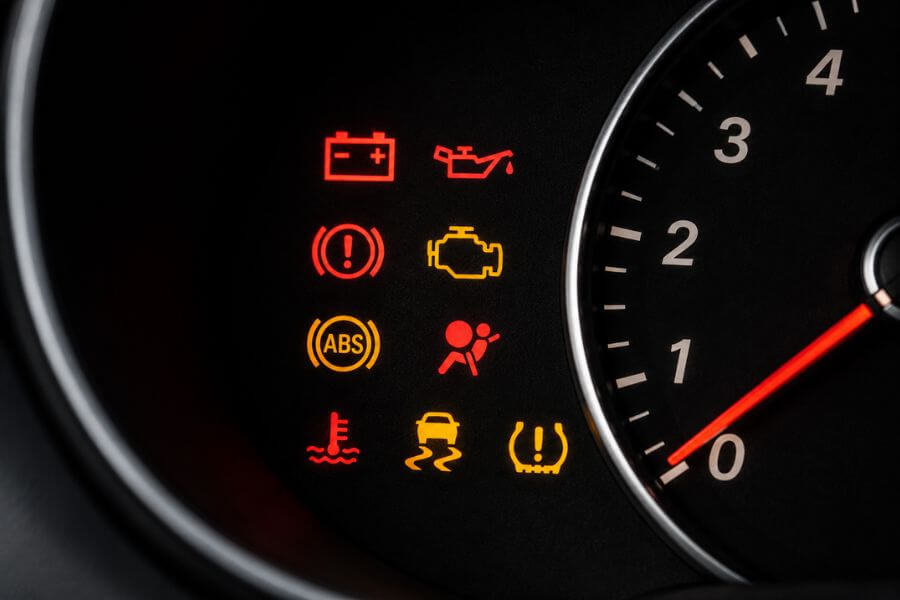
This is one warning light you should never ignore. The oil pressure light usually looks like a small oil can, and it signals that your engine may not be getting enough lubrication.
Your engine relies on oil to reduce friction between moving parts. Without enough oil pressure, metal components grind against each other and wear down quickly.
If this light comes on while driving, pull over safely as soon as possible and shut off the engine. Continuing to drive could completely destroy your engine in minutes.
Common causes include:
- Low oil level
- Oil leaks
- Faulty oil pump
- Clogged oil filter
- Internal engine wear
Many drivers confuse this warning with a simple oil change reminder. They are not the same thing. An oil pressure warning is much more serious and needs immediate attention.
3. Battery Warning Light 🔋
The battery warning light usually points to a charging system problem, not just a weak battery. It often means the alternator is not properly charging the battery while the engine runs.
At first, your car may seem perfectly fine. But eventually, the battery loses power, and the vehicle can suddenly stop running.
You might also notice signs like:
- Dim headlights
- Slow engine cranking
- Flickering dashboard lights
- Electrical problems
- Strange whining noises
Ignoring this warning can leave you stranded without warning. The problem may also damage other electrical components in your car.
Getting the charging system checked early is usually much cheaper and less stressful than waiting for a complete breakdown.
4. Tire Pressure Warning Light 🛞
Many drivers ignore the tire pressure warning because the car still drives normally. That can be a costly mistake.
Low tire pressure affects:
- Fuel economy
- Tire lifespan
- Braking performance
- Steering control
- Road safety
Underinflated tires wear unevenly and generate extra heat, increasing the risk of a blowout. Even slightly low pressure can reduce handling and traction, especially during rain or emergency braking situations.
Sometimes the warning appears because of colder weather, since temperature changes can lower tire pressure naturally. Still, you should check all four tires immediately instead of assuming everything is fine.
Properly inflated tires help your car drive more safely and efficiently while also saving money on fuel and tire replacement costs.
5. Brake Warning Light 🚨
A brake warning light should always get your attention. Problems with the braking system can directly affect your ability to stop safely.
This warning may indicate:
- Low brake fluid
- Worn brake pads
- Brake system leaks
- Parking brake issues
- Hydraulic system problems
Some drivers continue driving because the brakes still seem to work normally. Unfortunately, brake problems often worsen gradually until stopping distances become dangerously long.
If the brake warning light appears together with unusual noises, vibrations, or a soft brake pedal, stop driving and get the car inspected immediately.
Ignoring brake issues puts everyone on the road at risk, not just you.
6. Coolant Temperature Warning Light 🌡️
An overheating engine can suffer severe damage very quickly. The coolant temperature warning light tells you that the engine is running too hot.
Causes may include:
- Low coolant
- Radiator leaks
- Broken cooling fans
- Faulty thermostat
- Water pump failure
Many drivers try to push through and “make it home,” but overheating can warp engine parts, blow head gaskets, and permanently damage the engine.
If you see this warning:
- Pull over safely
- Turn off the engine
- Let the engine cool completely
- Never open the radiator cap while hot
Overheating repairs can become extremely expensive if ignored, especially in newer vehicles with complex engines.
7. ABS Warning Light 🚦
The ABS warning light refers to the anti-lock braking system. This system helps prevent your wheels from locking during hard braking.
When the ABS light comes on, your normal brakes may still work, but the advanced safety system may not function properly during emergencies.
That means you could lose steering control during sudden stops on slippery roads.
Common causes include:
- Wheel speed sensor failure
- Damaged wiring
- ABS module issues
- Low brake fluid
Many people ignore the light because the car still stops normally in everyday driving. The danger appears during panic braking situations when you need maximum control.
It is especially important to fix ABS problems before driving in rain, snow, or icy conditions.
8. Airbag Warning Light 💥
The airbag warning light is often overlooked because airbags are something you hope you never need. Still, ignoring this light is risky.
If the airbag system warning stays on, the airbags may fail to deploy during a crash. In some cases, airbags can even deploy unexpectedly due to system faults.
Possible causes include:
- Faulty crash sensors
- Damaged wiring
- Seat belt sensor problems
- Electrical issues
- Airbag module failure
Modern vehicles rely heavily on safety electronics. Even a minor sensor issue can disable important protection systems.
This warning deserves prompt attention because it directly affects passenger safety during accidents.
9. Transmission Warning Light ⚙️
Transmission repairs are among the most expensive car repairs, which is why this warning should never be ignored.
The transmission warning light can signal:
- Low transmission fluid
- Overheating
- Slipping gears
- Sensor failures
- Internal transmission wear
Drivers sometimes ignore early signs because the car still moves and shifts. Over time, small transmission problems can become catastrophic failures.
Watch for symptoms like:
- Delayed shifting
- Jerking movements
- Burning smells
- Grinding noises
- Fluid leaks
Catching transmission issues early can often save thousands of dollars in repair costs.
10. Traction Control Warning Light 🧭
The traction control system helps your car maintain grip during slippery conditions. When the warning light stays on, the system may not work correctly.
This issue may involve:
- Faulty wheel sensors
- Tire problems
- Steering angle sensor issues
- Electronic stability system faults
Some drivers ignore the warning because the car feels fine on dry roads. But when rain, snow, or gravel appears, the lack of traction assistance can become dangerous.
Traction control is especially valuable during sharp turns, sudden acceleration, and emergency maneuvers.
Ignoring the warning can reduce your vehicle’s stability and increase the chance of losing control during poor driving conditions.
Conclusion 🏁
Dashboard warning lights exist for a reason. Your car’s systems constantly monitor performance, safety, and mechanical health. When a warning light appears, it usually means something needs attention before it becomes a much bigger problem.
Ignoring these lights may save time in the short term, but it often leads to higher repair costs, unsafe driving conditions, and unnecessary stress later on.
The smartest approach is to treat warning lights seriously, even when the car still seems to drive normally. A quick inspection today can prevent major repairs tomorrow.
Paying attention to your dashboard is one of the easiest ways to keep your car reliable, safe, and running smoothly for years to come.
Frequently Asked Questions ❓
Can I still drive with the check engine light on?
Sometimes you can drive short distances safely if the light is steady and the car feels normal. However, you should still get the vehicle checked soon. If the light flashes, stop driving immediately because serious engine damage may occur.
Why do warning lights sometimes turn off by themselves?
Some warning lights disappear when the issue becomes temporary or conditions improve. For example, tire pressure may return to normal after temperature changes. Even if the light goes away, it is still smart to inspect the system for hidden problems.
Which car warning light is the most dangerous?
The oil pressure warning light and brake warning light are among the most dangerous because they can lead to immediate engine damage or unsafe braking conditions.
Do warning lights always mean expensive repairs?
No. Some warnings involve simple fixes like tightening a gas cap or inflating tires. The problem is that ignoring small issues can eventually create expensive repairs.
How often should I check my dashboard warning lights?
You should pay attention every time you drive. Many drivers ignore warning lights because they become used to seeing them. Regular attention helps you catch problems early before they become serious.