Table of Contents
If you want your car to last over 300,000 miles, you do not need magic. You need smart habits, consistent care, and a little patience. Many drivers believe a car automatically becomes unreliable after 100,000 miles, but that is no longer true. Modern vehicles can stay dependable for decades when you treat them properly.
The good news is that you do not need to be a mechanic to keep your car running strong. Small choices you make every day can protect your engine, transmission, suspension, and other expensive parts. In many cases, avoiding bad driving habits matters just as much as regular maintenance.
This guide walks you through ten genius ways to extend your car’s lifespan without making your life complicated. Whether you drive a sedan, SUV, truck, or hybrid, these tips can help you save money and avoid major breakdowns for years to come.
Quick Summary Table 🛠️
| # | Tip | Why It Matters |
|---|---|---|
| 1 | Follow the maintenance schedule | Prevents expensive repairs |
| 2 | Change fluids on time | Protects critical systems |
| 3 | Warm up gently | Reduces engine stress |
| 4 | Drive smoothly | Minimizes wear and tear |
| 5 | Use quality parts | Improves reliability |
| 6 | Keep tires properly inflated | Protects suspension and saves fuel |
| 7 | Wash your car regularly | Prevents rust and corrosion |
| 8 | Fix small problems early | Stops bigger damage |
| 9 | Avoid overloading your vehicle | Protects brakes and transmission |
| 10 | Store your car the right way | Extends overall lifespan |
How We Ranked These Tips 🧠
We ranked these methods based on the factors that have the biggest impact on long-term vehicle health:
- Real-world effectiveness
- Cost savings over time
- Ease for everyday drivers
- Impact on engine longevity
- Ability to prevent major failures
- Importance for high-mileage vehicles
- Benefits for both old and new cars
- Long-term reliability improvements
1. Follow Your Maintenance Schedule Religiously 🔧
Your owner’s manual is one of the most valuable tools you have. It tells you exactly when your car needs service, inspections, and part replacements. Ignoring these recommendations is one of the fastest ways to shorten your car’s lifespan.
Oil changes, spark plug replacements, air filter swaps, and timing belt services all play major roles in keeping your car healthy. Many people delay maintenance because the car still feels fine, but damage often builds silently over time.
If you want to reach 300,000 miles, consistency matters more than perfection. Even simple maintenance tasks done regularly can dramatically increase reliability.
Create reminders on your phone or keep a notebook in your glove compartment. Staying organized makes it much easier to keep up with service intervals.
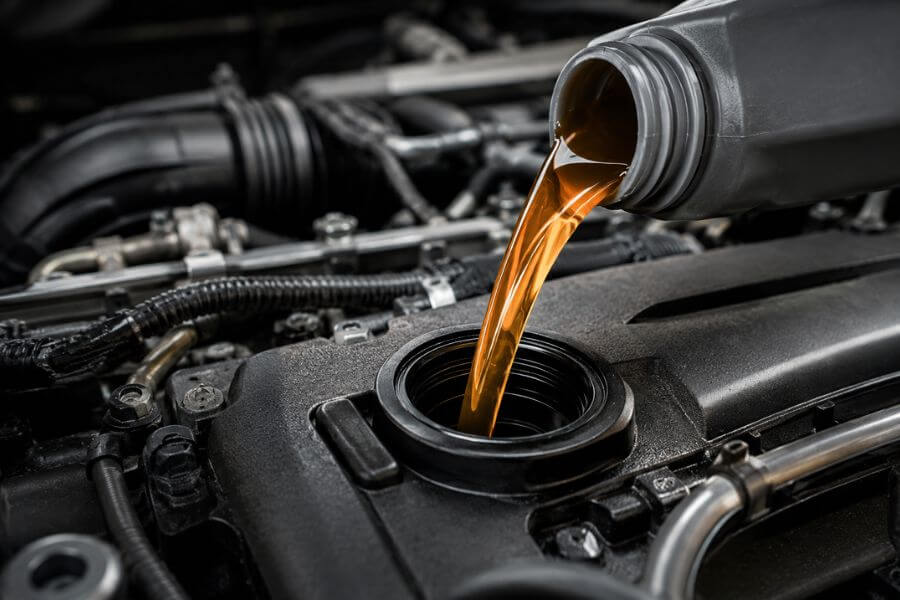
2. Change Every Fluid Before It Becomes a Problem 🛢️
Most drivers remember oil changes, but many forget about transmission fluid, coolant, brake fluid, power steering fluid, and differential fluid.
These fluids act like lifeblood for your vehicle. Over time, they become dirty and lose their ability to protect components from heat and friction. Old fluids can cause expensive failures that could have been avoided.
Transmission replacements can cost thousands of dollars. A simple fluid change is much cheaper.
Pay close attention to:
- Engine oil
- Transmission fluid
- Brake fluid
- Coolant
- Differential fluid
- Transfer case fluid for AWD or 4WD vehicles
Fresh fluids help your car run cooler, smoother, and more efficiently over the long term.
3. Do Not Drive Aggressively Right After Startup ❄️
Cold starts are hard on engines. When your car first turns on, oil needs time to circulate properly through the engine. Flooring the gas pedal immediately after startup creates unnecessary stress.
You do not need to let your car idle for ten minutes. Modern engines warm up faster while driving. The key is to drive gently for the first few minutes.
Avoid:
- Hard acceleration
- High RPM driving
- Sudden braking
- Aggressive cornering
Gentle driving during warm-up helps reduce engine wear and improves long-term durability.
4. Drive Smoothly Instead of Aggressively 🚦
How you drive affects your car more than you may realize. Aggressive driving creates extra strain on nearly every component.
Rapid acceleration stresses the engine and transmission. Hard braking wears out brake pads and rotors faster. Sharp turns can damage suspension parts over time.
Smooth driving offers major benefits:
- Less engine stress
- Longer brake life
- Better fuel economy
- Reduced tire wear
- Lower transmission strain
Driving calmly can add years to your car’s life while also saving you money on repairs and fuel.
5. Use High Quality Replacement Parts ⚙️
Cheap parts often fail faster. While saving money upfront may feel smart, low-quality components can create bigger problems later.
When replacing important items like brakes, filters, belts, sensors, or suspension components, quality matters. Reliable parts usually fit better, last longer, and perform more consistently.
You do not always need the most expensive option, but avoid extremely cheap products with poor reviews or unknown brands.
Using quality parts helps maintain the reliability your vehicle had when it was new.
6. Keep Your Tires Properly Inflated 🛞
Tires affect more than just fuel economy. Incorrect tire pressure puts stress on suspension parts, wheel bearings, steering systems, and brakes.
Underinflated tires can overheat and wear unevenly. Overinflated tires reduce traction and create a rougher ride.
Check your tire pressure at least once a month and before long road trips. Use the pressure recommended on the sticker inside your driver’s door, not the number listed on the tire itself.
Proper tire care also includes:
- Regular rotations
- Wheel alignments
- Balancing
- Tread inspections
Healthy tires help protect your entire vehicle.
7. Wash Your Car More Often Than You Think 🧼
Rust is one of the biggest enemies of long-lasting vehicles, especially in areas with snow, road salt, humidity, or coastal air.
Dirt and salt can slowly eat away at your car’s metal surfaces. Once rust spreads underneath the vehicle, repairs become expensive and difficult.
Wash your car regularly, especially during the winter months. Pay extra attention to:
- The undercarriage
- Wheel wells
- Door edges
- Frame areas
Waxing your vehicle a few times per year also adds protection against moisture and sun damage.
Keeping your car clean is not just about appearance. It is about preserving the structure of the vehicle itself.
8. Fix Small Problems Before They Become Huge 💡
Small issues rarely stay small for long.
A tiny coolant leak can eventually destroy an engine. Worn brake pads can damage rotors. Strange noises often signal problems that get more expensive if ignored.
Pay attention to warning signs:
- Dashboard lights
- Vibrations
- Fluid leaks
- Unusual smells
- Grinding noises
- Rough shifting
If something feels different, investigate it early. Preventive repairs are almost always cheaper than major breakdowns.
Many high-mileage car owners succeed because they stay proactive instead of reactive.
9. Avoid Carrying More Weight Than Necessary 📦
Extra weight forces your engine, transmission, suspension, and brakes to work harder.
Some people leave heavy tools, sports equipment, or storage containers in their cars all year long without realizing the impact. Constant overloading increases wear and lowers fuel efficiency.
You should also avoid towing beyond your vehicle’s rated capacity. Excessive towing heat can severely damage transmissions and cooling systems.
Lightening your vehicle reduces stress and helps parts last longer.
10. Store Your Car Properly When Not in Use 🏠
Where and how you store your car matters more than many drivers think.
Parking in a garage protects your vehicle from sun damage, moisture, hail, and temperature extremes. If a garage is not available, using a quality car cover can still help.
Long periods of sitting can also harm the vehicle. Batteries drain, tires develop flat spots, and fluids settle.
If you do not drive often:
- Start the car regularly
- Drive it occasionally
- Keep the battery charged
- Maintain proper tire pressure
- Use fuel stabilizer for long storage periods
A well-stored car ages much more slowly than one left exposed to harsh conditions year after year.
Conclusion 🌟
Reaching 300,000 miles is absolutely possible if you treat your car with care and consistency. You do not need advanced mechanical skills or unlimited money. Most of the secret comes down to good habits repeated over time.
Regular maintenance, smooth driving, quality repairs, and early problem solving all work together to extend your vehicle’s life. The drivers who get the most out of their cars are usually the ones who stay patient and proactive.
Your car is one of the biggest investments you make. Taking care of it properly can reward you with years of dependable performance, lower repair costs, and far less stress on the road.
Frequently Asked Questions ❓
What car brands are known for lasting over 300,000 miles?
Brands like Toyota, Honda, and Lexus are often known for long-term reliability. However, proper maintenance matters more than the badge on the hood.
Is highway driving better for a car than city driving?
Yes. Highway driving is usually easier on your engine, brakes, and transmission because the car operates at steady speeds. Frequent stop-and-go traffic creates more wear over time.
How often should you check fluid levels?
You should check important fluids at least once a month. It only takes a few minutes and can help you catch leaks or low levels before serious damage happens.
Can synthetic oil help a car last longer?
Synthetic oil often provides better protection against heat, sludge, and engine wear. Many modern vehicles are designed specifically for synthetic oil, especially turbocharged engines.
Does premium gasoline make your engine last longer?
Not necessarily. You should use the fuel grade recommended in your owner’s manual. Using premium gas in a car designed for regular fuel usually does not provide major long-term benefits.