Table of Contents
Keeping your car in good shape does not always require expensive trips to a repair shop. Many basic maintenance tasks can be done right in your garage with a few simple tools and a little bit of time. Learning these easy jobs can help you save money, improve your car’s reliability, and give you a better understanding of how your vehicle works.
The best part is that most of these tasks require little to no mechanical experience. Whether you drive a brand-new vehicle or an older daily driver, these maintenance jobs are simple enough for most car owners to handle.
Quick Summary Table 🚗
| Rank | Maintenance Task | Difficulty | Time Required | Money Saved |
|---|---|---|---|---|
| 1 | Check Tire Pressure | Very Easy | 5 Minutes | Low |
| 2 | Replace Windshield Wipers | Very Easy | 10 Minutes | Low |
| 3 | Check and Top Off Fluids | Very Easy | 10 Minutes | Medium |
| 4 | Replace Engine Air Filter | Very Easy | 10 Minutes | Medium |
| 5 | Change Cabin Air Filter | Easy | 15 Minutes | Medium |
| 6 | Clean Battery Terminals | Easy | 20 Minutes | Medium |
| 7 | Replace Light Bulbs | Easy | 15-30 Minutes | Medium |
| 8 | Rotate Tires | Moderate | 30-60 Minutes | High |
| 9 | Change Engine Oil | Moderate | 45-60 Minutes | High |
| 10 | Wash and Wax Your Car | Easy | 1-2 Hours | High Long-Term Value |
How We Ranked These Tasks 📋
We ranked these maintenance jobs using the following factors:
- Ease of completion for beginners
- Minimal tool requirements
- Low risk of damaging vehicle components
- Cost savings compared to professional service
- Time required to complete the task
- Frequency of maintenance needs
- Practical benefits for vehicle performance
- Ability to learn useful automotive skills
1. Check Tire Pressure 🎯
Checking tire pressure is one of the easiest and most important maintenance tasks you can perform.
All you need is a tire pressure gauge, which costs very little and can be stored in your glove box. Most modern gas stations also provide air pumps that make adjusting tire pressure simple.
Properly inflated tires improve fuel economy, increase tire life, and enhance handling. Driving with underinflated tires can lead to uneven wear and reduced safety.
Start by locating the recommended tire pressure on the sticker inside your driver’s side door jamb. Remove the valve cap, press the gauge firmly onto the valve stem, and compare the reading with the recommended pressure.
If needed, add or release air until the tire reaches the correct level.
This task takes less than five minutes and can prevent costly tire replacements later.
2. Replace Windshield Wipers 🌧️
Many drivers wait too long before replacing worn windshield wipers.
If your wipers leave streaks, skip across the glass, or make squeaking noises, it is time for a replacement. New wiper blades improve visibility during rain, snow, and bad weather.
Most auto parts stores can help you identify the correct size for your vehicle. Installation is usually straightforward because modern wipers use simple clip-on attachment systems.
After removing the old blade, slide the new one into place until it clicks securely.
The entire process often takes less than ten minutes and can significantly improve driving safety.
3. Check and Top Off Fluids 🛢️
Your vehicle relies on several important fluids to operate properly.
Common fluids you can easily check include:
- Engine oil
- Windshield washer fluid
- Brake fluid
- Coolant
- Power steering fluid on older vehicles
- Transmission fluid on certain vehicles
Most fluid reservoirs are clearly labeled under the hood. Check levels when the engine is cool and parked on a level surface.
Adding washer fluid is especially simple and requires no special tools.
Regular fluid checks help prevent major mechanical problems and allow you to spot leaks before they become expensive repairs.
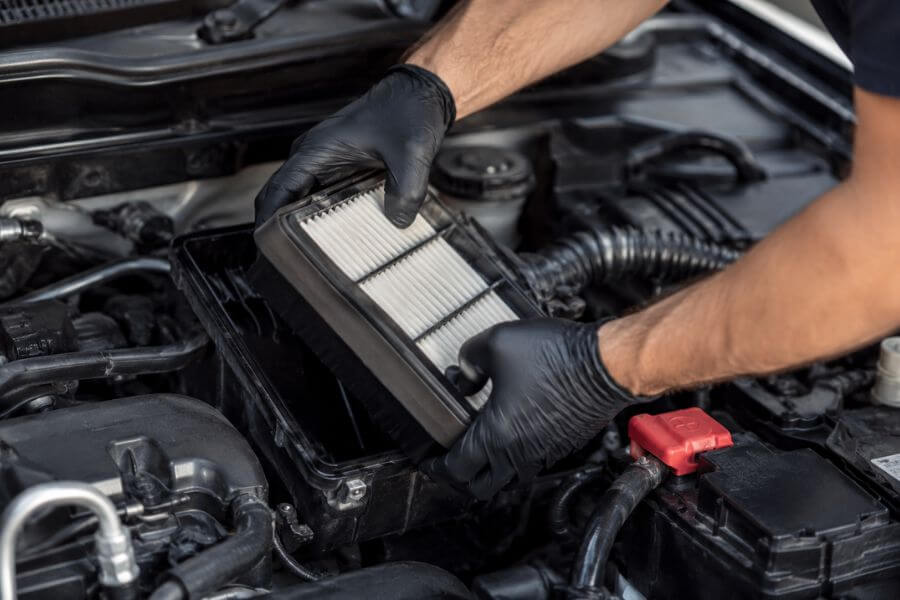
4. Replace Engine Air Filter 🌬️
The engine air filter prevents dirt and debris from entering your engine.
Over time, the filter becomes clogged, which can reduce airflow and potentially affect performance and fuel economy.
Fortunately, replacing it is usually one of the easiest maintenance jobs available.
Most air filter housings are secured with clips or a few screws. Open the housing, remove the old filter, and insert the new one in the same position.
The entire process typically takes less than ten minutes.
A clean air filter helps your engine breathe properly and keeps harmful contaminants out of critical components.
5. Change Cabin Air Filter 😌
Many drivers forget about the cabin air filter, even though it directly affects the air you breathe inside the vehicle.
This filter removes dust, pollen, dirt, and other airborne particles before they enter the passenger compartment.
In many vehicles, the cabin air filter is located behind the glove box. Accessing it often requires only a few simple steps.
After removing the old filter, slide in the replacement while following the airflow direction arrows printed on the filter.
You may immediately notice better airflow from your vents and reduced odors inside the cabin.
This small maintenance job can make a big difference in driving comfort.
6. Clean Battery Terminals 🔋
Battery corrosion can interfere with electrical connections and make it harder for your vehicle to start.
White, blue, or green buildup around battery terminals is a sign that cleaning is needed.
Start by disconnecting the battery according to your owner’s manual instructions. Use a battery cleaning brush or a mixture of baking soda and water to remove corrosion.
Once the terminals are clean, reconnect everything securely.
This simple task helps maintain strong electrical connections and may extend battery life.
Regular inspections can also help you identify battery problems before they leave you stranded.
7. Replace Light Bulbs 💡
Burned-out bulbs are common and often easy to replace yourself.
This includes:
- Headlights
- Tail lights
- Brake lights
- Turn signals
- License plate lights
Many vehicles provide easy access to light assemblies through removable panels or simple mounting systems.
Replacing bulbs quickly helps maintain visibility and keeps your vehicle legal on the road.
Always verify that the replacement bulb matches the original specifications.
Although some modern vehicles have more complicated lighting systems, many bulb replacements remain beginner-friendly.
8. Rotate Tires 🔄
Tire rotation helps ensure even wear across all four tires.
Since front and rear tires often wear differently, rotating them at recommended intervals can extend tire life and improve overall performance.
You will need:
- A jack
- Jack stands
- A lug wrench
- A safe, level workspace
While it requires more effort than some other tasks on this list, tire rotation is still manageable for many DIY car owners.
Following the correct rotation pattern for your vehicle helps maximize tire longevity and can save hundreds of dollars over the life of your tires.
9. Change Engine Oil ⚙️
Changing your own oil is one of the most rewarding maintenance jobs you can learn.
You will need:
- Engine oil
- Oil filter
- Drain pan
- Socket wrench
- Funnel
The process involves draining old oil, replacing the oil filter, and filling the engine with fresh oil.
Although it requires more preparation than the other tasks on this list, it can save significant money over time.
Many car owners also appreciate knowing exactly which oil and filter are being used in their vehicle.
Be sure to dispose of used oil properly at a recycling center or authorized collection location.
10. Wash and Wax Your Car ✨
Washing your car is not just about appearance.
Regular cleaning removes dirt, road salt, bird droppings, and contaminants that can damage paint over time.
Adding a coat of wax provides additional protection against environmental exposure and helps maintain your vehicle’s finish.
Use automotive-specific cleaning products and soft microfiber towels to avoid scratching the paint.
A well-maintained exterior can help preserve resale value and keep your vehicle looking newer for longer.
This task requires little technical skill but offers excellent long-term benefits.
Conclusion 🏁
You do not need to be a professional mechanic to take care of your vehicle. Many important maintenance tasks can be completed in your own garage with basic tools and a little patience.
Starting with simple jobs like checking tire pressure, replacing wiper blades, and changing air filters can build your confidence while helping you save money. As your experience grows, you may feel comfortable tackling larger projects such as tire rotations and oil changes.
Regular maintenance not only improves reliability but also helps you catch small issues before they become expensive repairs. By learning these easy tasks, you can keep your vehicle running smoothly and enjoy greater peace of mind every time you get behind the wheel.
Frequently Asked Questions ❓
How often should I perform basic car maintenance?
Most basic inspections should be performed once a month. Tire pressure, fluid levels, and battery condition can be checked regularly, while air filters and oil changes follow manufacturer-recommended intervals.
Do I need expensive tools to perform these maintenance tasks?
No. Most of the tasks in this guide require only basic hand tools, a tire pressure gauge, a few screwdrivers, and simple maintenance supplies.
Can DIY maintenance affect my vehicle warranty?
Performing routine maintenance yourself generally does not void a warranty. However, it is important to follow manufacturer guidelines and keep records of any maintenance performed.
What is the best maintenance task for complete beginners?
Checking tire pressure and replacing windshield wipers are usually the easiest starting points because they require very little time, knowledge, or equipment.
How can I learn more advanced maintenance skills?
Owner’s manuals, repair guides, and hands-on experience are excellent learning resources. Starting with simple maintenance tasks helps build confidence before moving on to more complex repairs.